How Long Does Fresh Juice Last? Storage, Safety, and Freshness
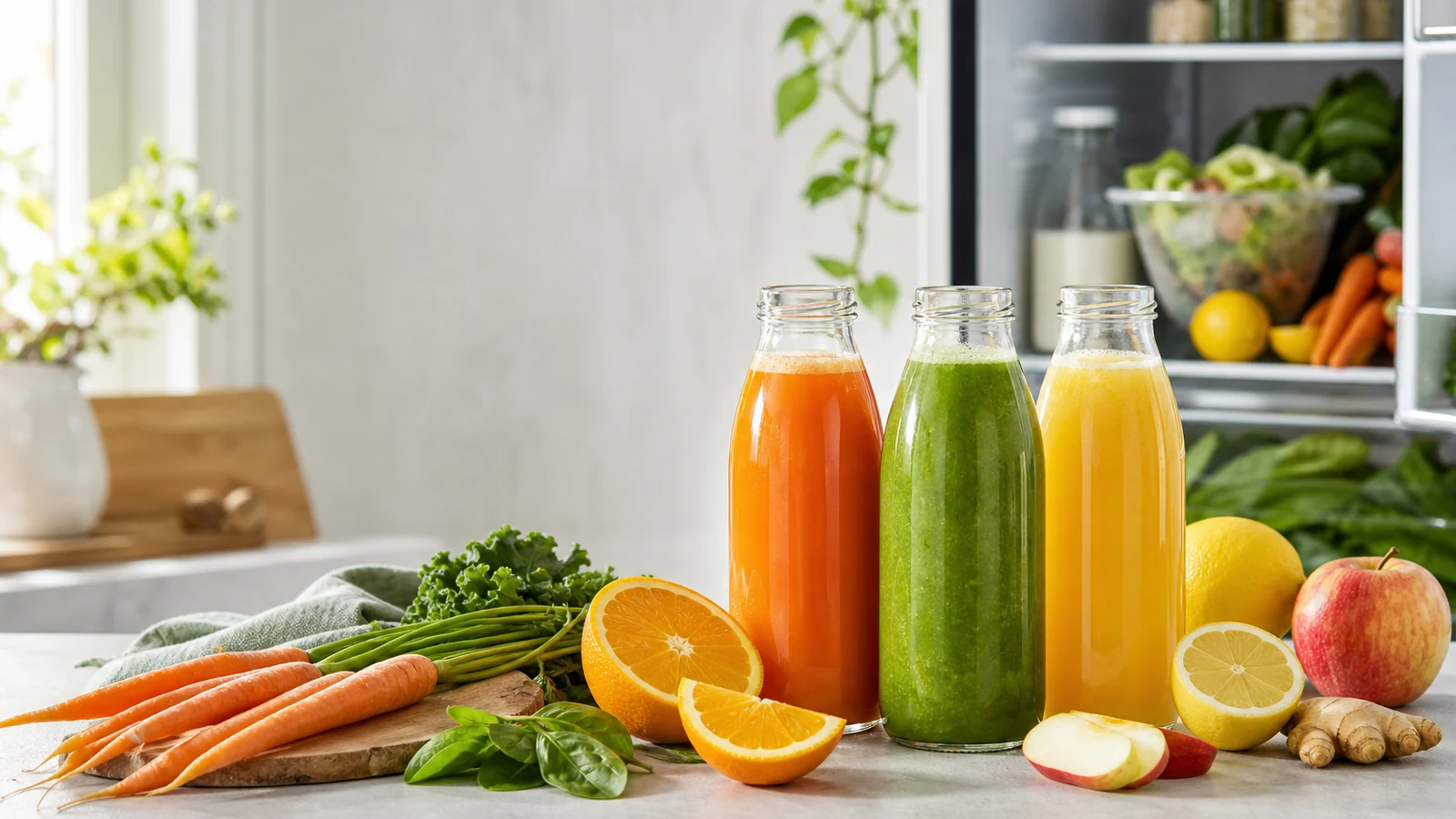
how long does fresh juice last? For most homemade juice, the practical answer is that it is best soon after juicing and should usually be refrigerated right away and used within about 24 to 48 hours. Some juices may still look drinkable after that, but flavor, color, aroma, and food-safety confidence all start moving in the wrong direction.
That timing depends on the ingredients, the juicer, the bottle, how clean your prep was, and how quickly the juice went into the refrigerator. Fresh juice is not the same as shelf-stable juice from a store. It has not been processed for long storage, and it often contains tiny produce particles that continue to change after juicing. This guide gives you a practical buyer-focused way to think about freshness without pretending there is one perfect clock for every recipe.
Disclosure: This article may contain affiliate links. If you buy through them, Healthy Kitchen Reviews may earn a commission at no extra cost to you.
At a glance
- Best for: home juicing readers who want practical fridge timing and safer storage habits.
- Not ideal if: you need commercial shelf-life rules for packaged pasteurized juice.
- What this guide focuses on: homemade juice, refrigeration, bottle choices, spoilage signs, and realistic freshness expectations.
- Primary topic: how long does fresh juice last in the Juicers category.
Direct Answer: How Long Does Fresh Juice Last?
Fresh homemade juice is usually best the same day it is made. If you need to store it, chill it promptly in a clean, tightly sealed container and aim to drink it within 24 hours when possible. A 24 to 48 hour window is a reasonable practical range for many refrigerated homemade juices, but shorter is safer and better tasting, especially for delicate green juices.
The phrase “last” can mean two different things. One person means peak flavor and color. Another means whether it is still safe enough to drink. Those are not identical. A juice can lose brightness, separate, turn dull, or taste flat before it is obviously spoiled. If the smell, texture, fizz, or taste seems off, discard it rather than trying to rescue it.
Freshness Timeline for Homemade Juice
| Storage Time | What to Expect | Best Use |
|---|---|---|
| Right away to 12 hours | Best color, aroma, and fresh flavor | Ideal for green juice, citrus blends, and delicate recipes |
| 12 to 24 hours | Still usually the practical sweet spot when refrigerated well | Good for next-morning or same-day prep |
| 24 to 48 hours | May be acceptable if kept cold and sealed, but quality can drop | Use caution, check smell and appearance, and avoid risky storage habits |
| Beyond 48 hours | Freshness and safety confidence decline | Not the best target for homemade unpasteurized juice |
This table is intentionally conservative. Food safety depends on time and temperature, and home kitchens vary. FDA guidance emphasizes washing produce and handling it safely, while USDA food-safety guidance keeps refrigeration and prompt storage central for perishable foods. Fresh juice should be treated as a perishable homemade drink, not as a pantry item.
Why Fresh Juice Changes So Quickly
Juicing breaks open produce cells and exposes the liquid to air, light, room temperature, and surfaces in the juicer. That is part of why the drink tastes so bright right away. It is also why color and flavor can fade. Apple juice may brown. Green juice may darken. Citrus blends may turn bitter. Beet and carrot juice can separate and look heavier at the bottom of the bottle.
Separation is not automatically a safety problem. Many fresh juices separate because there is no stabilizer holding everything together. You can gently shake a refrigerated juice before drinking. But separation plus sour smell, unusual fizz, swelling, mold, slime, or a sharply fermented taste is different. Those are warning signs, not normal settling.
Cold Press vs Centrifugal Juice Storage
Slow or cold press juicers are often promoted as better for storage because they may introduce less air than some high-speed centrifugal designs. That can help with color and flavor in some recipes. Still, no home juicer turns fresh juice into a long-life product. A cold press juice should still be refrigerated quickly and consumed in a short window.
Centrifugal juicers can create more foam and aeration, especially with apples, leafy greens, celery, and cucumber. That does not make the juice bad, but it can make same-day drinking more appealing. If you like prepping juice ahead, a slow juicer plus good bottle habits may be worth considering. If you drink immediately, cleanup and convenience may matter more than storage claims.
Storage Tips That Actually Help
- Wash produce well before cutting or juicing, especially leafy greens and items with peel or soil residue.
- Use clean bottles or jars with tight lids rather than loosely covered cups.
- Fill the container close to the top to reduce extra air space when practical.
- Refrigerate juice promptly instead of leaving it on the counter during cleanup.
- Keep the refrigerator at a properly cold temperature and return juice to the fridge after pouring.
- Label the bottle with the date and time if you batch juice for the next day.
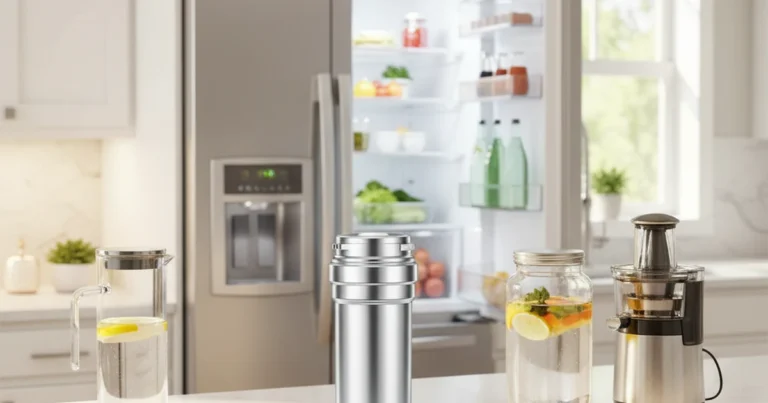
Glass bottles are popular because they are easy to rinse, do not hold odors as stubbornly as some plastics, and make it easy to see color changes. Stainless bottles can work too, but you cannot inspect the juice as easily. Whatever container you use, cleanliness matters more than the material debate. A dirty bottle can undo careful juicing.
Signs Fresh Juice Has Gone Bad
Use your senses, but do not treat them as a guarantee. Spoiled fresh juice may smell sour, alcoholic, yeasty, or unusually sharp. It may fizz when opened, develop pressure in the bottle, grow visible mold, become slimy, or taste unpleasantly fermented. If any of those signs appear, throw it away.
Do not rely on color alone. Green juice can darken from oxidation, and apple or pear juice can brown without necessarily being spoiled. But color change combined with off odor, gas, or strange texture is a stronger warning. When in doubt, the safer choice is to discard it and make a smaller batch next time.
Ingredient Differences: Which Juices Fade Fastest?
Leafy green juices are often the most delicate. Spinach, kale, parsley, cucumber, celery, lemon, and apple blends can lose their fresh aroma quickly, especially if they are foamy or stored with lots of air in the bottle. Citrus-heavy juices can taste bright at first but may become bitter or flat as they sit.
Carrot, beet, ginger, and apple blends may feel sturdier, but they are still fresh homemade juice. Ginger and lemon can make a drink taste sharper, which sometimes hides early flavor decline. That is another reason timing and refrigeration habits matter. Strong flavors do not make poor storage safer.
Can You Freeze Fresh Juice?
Freezing can be useful if you made too much juice and do not want to waste it. Freeze in clean freezer-safe containers with enough headspace for expansion. The texture may change after thawing, and some fresh brightness may be lost, but frozen juice can work for smoothies, pops, cooking, or a later drink when shaken well.
For best quality, freeze sooner rather than waiting until the juice is near the edge of freshness. Thaw in the refrigerator, not on the counter. Once thawed, treat it as a perishable drink and use it promptly. Freezing is a quality-saving tactic, not a way to refresh juice that already smells or tastes off.
Buyer Guidance: Choosing a Juicer If You Want to Prep Ahead
If you want to make juice ahead for busy mornings, look for a juicer and routine that reduce foam, heat, mess, and cleanup friction. A slow juicer may be worth the extra cost if you care about smoother texture and next-day storage. But the machine is only one piece of the system. Bottles, fridge space, prep discipline, and cleanup speed matter too.
Choose Realistic Batch Sizes
A large batch sounds efficient until you are forcing yourself to finish old juice. For most households, one or two days of juice is a more realistic target than filling the refrigerator for the week. Smaller batches also let you adjust recipes and reduce waste if a blend does not taste good after sitting.
Prioritize Easy Cleaning
The best storage plan fails if you avoid juicing because cleanup is annoying. Screens, augers, pulp bins, and feed chutes should be simple enough that you can wash them right after use. Dried pulp is harder to remove and can make the whole habit feel less sustainable.
Consider a Blender for Some Recipes
If you want a drink that holds body and feels more filling, a smoothie may work better than juice. Blended drinks keep more pulp and fiber, though they still need refrigeration if made ahead. A juicer is best for lighter, strained drinks. A blender is often better for fiber-retaining prep.
Practical Safety Notes for Fresh Juice
Fresh juice is often made from raw produce, so careful handling matters. Wash produce, trim damaged areas, clean cutting boards, and wash hands before prep. Keep juice cold after making it. People who are pregnant, immunocompromised, older, very young, or managing medical concerns should be especially cautious with unpasteurized homemade juice and may want personalized guidance from a qualified professional.
The goal is not to make home juicing feel scary. It is to treat fresh juice with the same respect you would give other perishable homemade foods. Good habits make the routine easier and more trustworthy.
Frequently Asked Questions
Can I drink fresh juice after 3 days?
It is not the best target for homemade unpasteurized juice. Even if it looks normal, quality and safety confidence decline over time. A same-day or 24-hour plan is better, and 24 to 48 hours is a more practical upper range for many refrigerated homemade juices. Discard it if anything smells, tastes, or looks off.
Does lemon juice make fresh juice last longer?
Lemon can help flavor and may slow browning in some recipes, but it does not make homemade juice shelf-stable. You still need clean prep, quick refrigeration, a sealed container, and a short storage window. Do not use lemon as a substitute for safe handling.
Should fresh juice be stored in glass or plastic?
Clean, tightly sealed glass bottles are a strong choice because they are easy to inspect and do not hold odors as much as some plastics. Food-safe plastic can still work if it is clean and designed for beverages. The bigger issue is cleanliness, tight sealing, and keeping the juice cold.
Why did my fresh juice separate in the fridge?
Separation is common because homemade juice usually has no stabilizers. Fine particles settle and lighter liquid rises. Gentle shaking can bring it back together. If separation comes with sour smell, fizz, pressure, slime, or mold, discard the juice.
Is cold press juice safe longer than centrifugal juice?
Cold press juice may hold flavor and color better in some cases, but it should still be treated as a perishable homemade drink. Refrigerate it quickly and use a short window. The juicer type does not replace safe storage habits.
Related Guides
- Is Juicing Healthy?
- Does Juicing Remove Fiber?
- Best Juicers for Beginners
- Best Easy-to-Clean Juicers
- Best Juicers for Daily Use
Helpful References
- FDA Food Facts on fresh and safe handling
- USDA Food Safety and Inspection Service on leftovers and refrigeration
- CDC food safety basics
Conclusion
So, how long does fresh juice last? Fresh homemade juice is best right away, strongest within the same day, and most practical to store for about 24 hours when chilled properly. Some juices may hold for up to 48 hours in the refrigerator, but quality drops and safety confidence becomes more dependent on how carefully everything was handled.
For a healthy kitchen routine, make smaller batches, use clean sealed bottles, refrigerate quickly, and trust your senses when something seems off. A good juicer can make fresh juice easier, but smart storage habits are what keep the habit realistic.