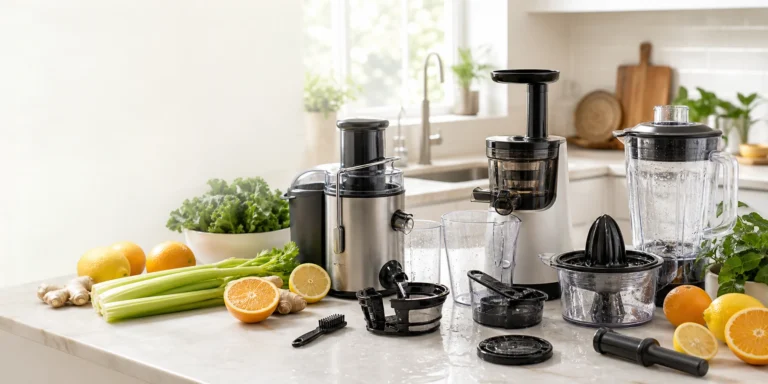
Is Juicing Healthy?
If you are wondering is juicing healthy, the honest answer is: it can be a useful habit for some people, but it is not automatically healthier than eating whole fruits and vegetables. Fresh juice can make produce easier to consume, especially if you struggle to eat enough greens. The trade-off is that most juicing removes much of the fiber that makes whole produce so filling and steadying.
That balance matters if you are thinking about buying a juicer. A good juicer can support a healthier kitchen routine, but it should not be treated like a shortcut, cleanse, or replacement for meals. This guide explains where juicing helps, where it falls short, and how to shop for a juicer without getting pulled in by exaggerated health claims.
Disclosure: This article may contain affiliate links. If you buy through them, Healthy Kitchen Reviews may earn a commission at no extra cost to you.
At a glance:
- Best for: people who want an easier way to add vegetables and fruit to a routine they already keep balanced
- Not ideal if: you expect juice to replace whole produce, meals, or medical advice
- Main takeaway: juice can contribute nutrients, but whole fruits and vegetables usually offer a more complete package because they keep the fiber
- Buyer angle: choose a juicer for convenience, cleanup, and produce habits, not miracle claims
Direct Answer: Is Juicing Healthy?
Juicing can be healthy when it helps you drink more vegetables and fruit without pushing out whole foods, protein, fiber-rich meals, or balanced snacks. It is less helpful when it becomes a high-sugar habit, a meal replacement, or a cleanse-style routine.
The practical answer is not anti-juice or pro-juice. It is about context. A small vegetable-heavy juice alongside breakfast is very different from replacing several meals with sweet fruit juice and calling it a reset.
Evidence-Aware Explanation
Mayo Clinic notes that juicing is not healthier than eating whole fruits and vegetables because whole produce contains fiber that is often lost when juice is extracted. Harvard Health makes a similar point: whole produce is ideal, though juice can help some people move toward daily produce goals. Cleveland Clinic also frames juice as a source of nutrients while cautioning that the form and ingredients matter.
That is the useful middle ground for home kitchens. Juice can contribute vitamins, minerals, fluid, and plant compounds from fruits and vegetables. But a glass of juice should not be treated as nutritionally identical to chewing the same produce with the fiber intact.
What Fresh Juice Can Offer
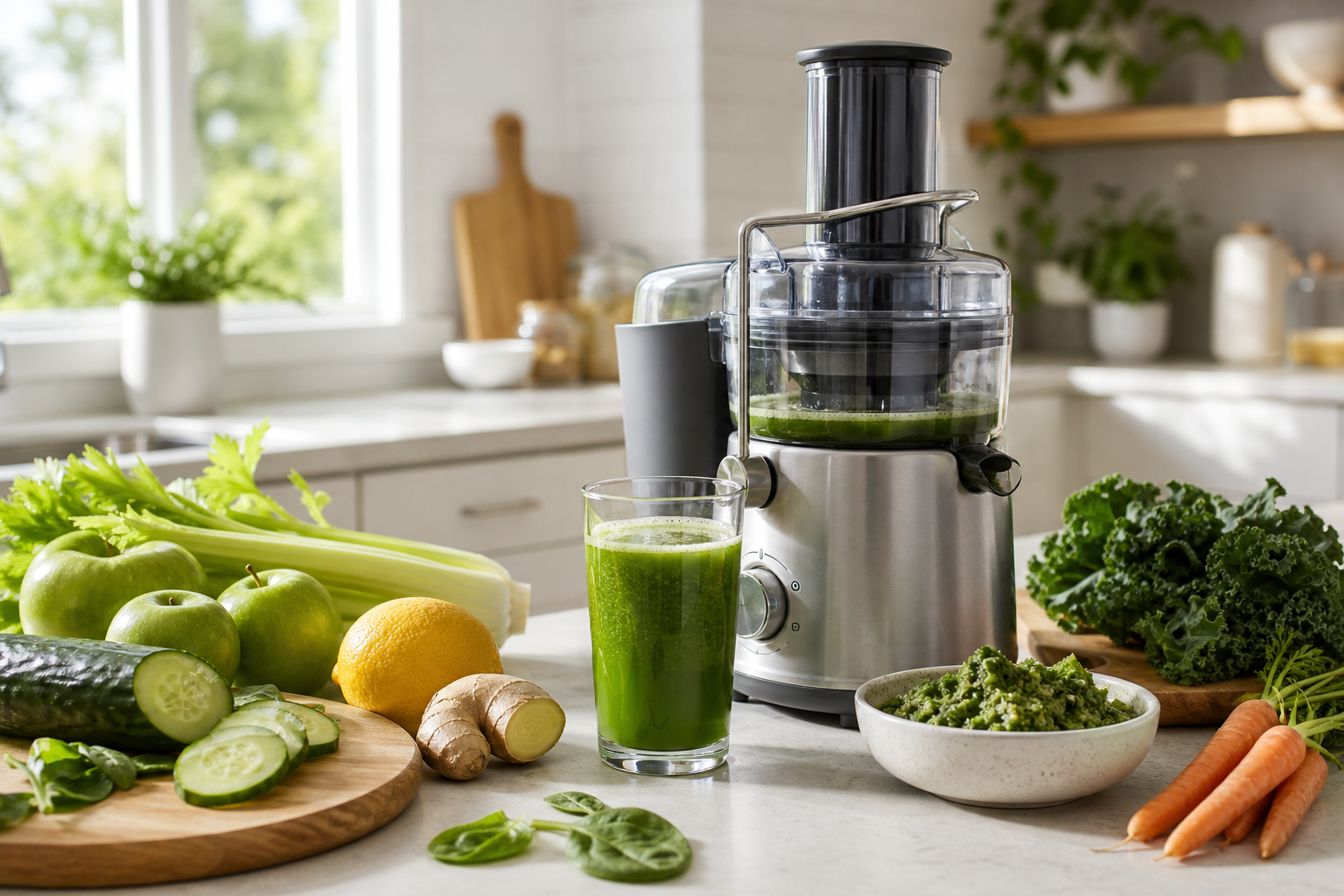
Fresh juice can provide vitamins, minerals, and plant compounds from the produce you use. A green juice made with cucumber, celery, parsley, lemon, ginger, and a small amount of apple, for example, can be a refreshing way to use produce that might otherwise sit in the refrigerator.
The biggest real-world benefit is often behavioral. If making juice encourages you to buy more vegetables, prep produce more often, and keep healthier options in the kitchen, that can support better habits. The juicer is not doing magic. It is making a better choice easier to repeat.
- Convenience: juice can be faster to drink than a large salad or plate of raw vegetables.
- Variety: it can help you rotate greens, herbs, citrus, carrots, beets, ginger, and cucumber.
- Kitchen momentum: people who enjoy the process may become more consistent with produce shopping and prep.
- Hydration support: vegetable-heavy juice can be a flavorful drink option, though it should not replace water.
The Downsides: Fiber, Sugar, and Fullness
The main downside is fiber loss. Fiber helps with fullness and supports normal digestion. When fruits and vegetables are juiced, much of the pulp is separated from the drink. That means juice can be easier to consume quickly, but it may not satisfy you the same way whole produce does.
Sugar concentration is the second issue. A juice made mostly from apples, oranges, grapes, or pineapple can contain a lot of natural sugar while being easier to drink quickly than the same amount of whole fruit would be to eat. That does not make fruit bad. It simply means the form matters.
For most home juicing, a sensible approach is to keep the drink vegetable-forward and use fruit mainly for balance. Cucumber, celery, leafy greens, herbs, carrot, lemon, ginger, and a small amount of apple are often more balanced than a large glass of mostly fruit juice.
Juicing vs Smoothies: Which Is Better?
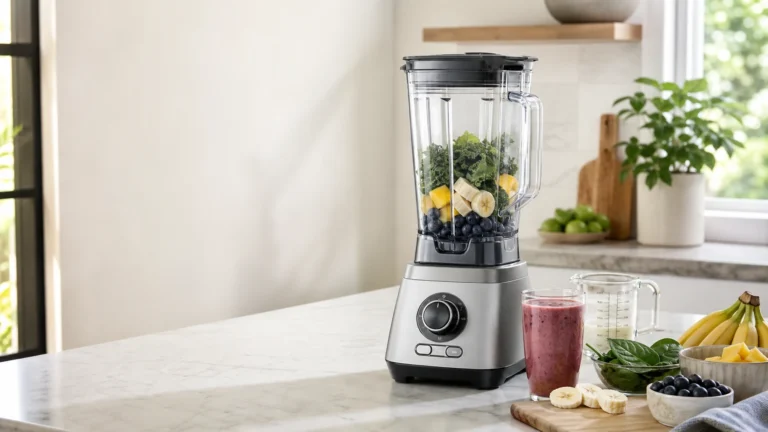
Smoothies usually keep more of the whole ingredient because the blender processes the fruit or vegetable rather than separating the juice from the pulp. That often means more fiber stays in the drink. Smoothies can also include protein, oats, yogurt, seeds, or nut butter, which can make them more meal-like.
Juice is lighter and often easier to drink, but it is usually less filling. Smoothies are generally better if you want something closer to a snack or breakfast. Juice can make more sense if you want a lighter produce drink alongside a meal.
Who Juicing Makes Sense For
Juicing makes the most sense for people who already understand that juice is a supplement to a balanced diet, not the center of it. It can be useful if you enjoy fresh vegetable drinks, have counter space for a juicer, and are willing to clean the machine right away.
- Choose juicing if: you want a fresh produce drink and you will keep eating whole fruits, vegetables, and fiber-rich foods.
- Be cautious if: you mostly want sweet fruit juices or expect juice to replace balanced meals.
- Skip it for now if: you dislike cleanup, have limited counter space, or know the machine will sit unused.
Practical Buyer Guidance for Choosing a Juicer
If you decide juicing fits your kitchen, buy for routine fit first. The best juicer is the one you will actually use and clean, not the one with the most dramatic marketing. A difficult cleanup process can turn a healthy intention into a product that stays in a cabinet.
Cold Press vs Centrifugal
Cold press juicers, also called masticating juicers, usually work more slowly and are often chosen by people who juice leafy greens, celery, herbs, and ginger. Centrifugal juicers tend to be faster and can feel easier for beginners who mainly want quick juice from firmer produce. The better choice depends on your ingredients and patience level.
Cleanup Matters More Than You Think
Look at the number of parts, the pulp container, the screen or filter, and whether the pieces look easy to rinse immediately after use. A juicer that takes too long to clean may discourage daily use, even if it performs well.
Size and Counter Space
A large juicer may make sense if you juice frequently or prep for more than one person. A compact model can be better for small kitchens, but smaller feed chutes may mean more chopping. That trade-off is worth thinking through before you buy.
Ingredient Style
If your ideal juice is mostly leafy greens and celery, compare models known for slow juicing and fibrous produce. If your routine is mostly carrots, apples, cucumber, and citrus, speed and convenience may matter more. Match the machine to your actual shopping list.
How to Make Juicing Healthier
- Use more vegetables than fruit most of the time.
- Keep portions moderate instead of treating juice as an unlimited health drink.
- Drink juice with or near a balanced meal if it leaves you hungry on its own.
- Reuse pulp when practical in soups, muffins, veggie patties, or compost if food use is not appealing.
- Wash produce well and clean the juicer promptly to reduce residue and buildup.
- Talk with a qualified health professional if you have diabetes, kidney disease, digestive conditions, or medication concerns.
Related Juicer Guides
If you are still deciding whether a juicer belongs in your kitchen, these buying guides can help you compare by routine, space, noise, and cleanup.
- Best Juicers for Daily Use
- Best Easy-to-Clean Juicers
- Best Compact Juicers for Small Kitchens
- Best Budget Juicers
Helpful External References
- Mayo Clinic: Juicing health benefits
- Harvard Health: Juicing and produce intake
- Cleveland Clinic: Is juicing healthy?
Frequently Asked Questions
Is juicing healthier than eating whole fruits and vegetables?
Usually, no. Whole fruits and vegetables keep the fiber that is often reduced or removed during juicing. Juice can still contribute vitamins, minerals, and plant compounds, but it should be seen as an addition to whole produce rather than a better replacement.
Is green juice healthy?
Green juice can be a reasonable choice when it is mostly vegetables and consumed in a moderate portion. It becomes less balanced if it relies heavily on fruit for sweetness or replaces meals that would normally include protein, fat, and fiber.
Can juicing help with weight loss?
Juicing is not a reliable weight-loss shortcut. It may help some people replace less nutritious drinks or build a produce habit, but juice can also add calories without much fullness. A balanced eating pattern matters more than any single drink.
Should I do a juice cleanse?
A cleanse is not necessary for most people, and strong detox claims should be treated skeptically. Your body already has organs that handle normal detoxification. If you have health conditions or take medications, ask a qualified professional before making extreme diet changes.
What is the healthiest juice to make at home?
A practical option is usually vegetable-forward: cucumber, celery, leafy greens, herbs, lemon, ginger, and a small amount of fruit for flavor. The healthiest version is the one that fits into an overall balanced routine.
Is a cold press juicer worth it?
A cold press juicer can be worth it if you plan to juice leafy greens, celery, herbs, and fibrous produce often. If you only want occasional fast juice from firmer fruits and vegetables, a simpler centrifugal model may feel more convenient.
Conclusion
So, is juicing healthy? It can be, when it helps you enjoy more produce while you still eat whole fruits, vegetables, and balanced meals. It is less healthy when it turns into a sugary drink habit, a cleanse, or a replacement for fiber-rich foods.
For buyers, the smartest move is to choose a juicer around your real routine: what you like to drink, how much space you have, and how much cleanup you will tolerate. A juicer that fits your habits can support a healthier kitchen. A juicer bought for unrealistic promises probably will not.