Common Juicing Mistakes Beginners Make and How to Avoid Them
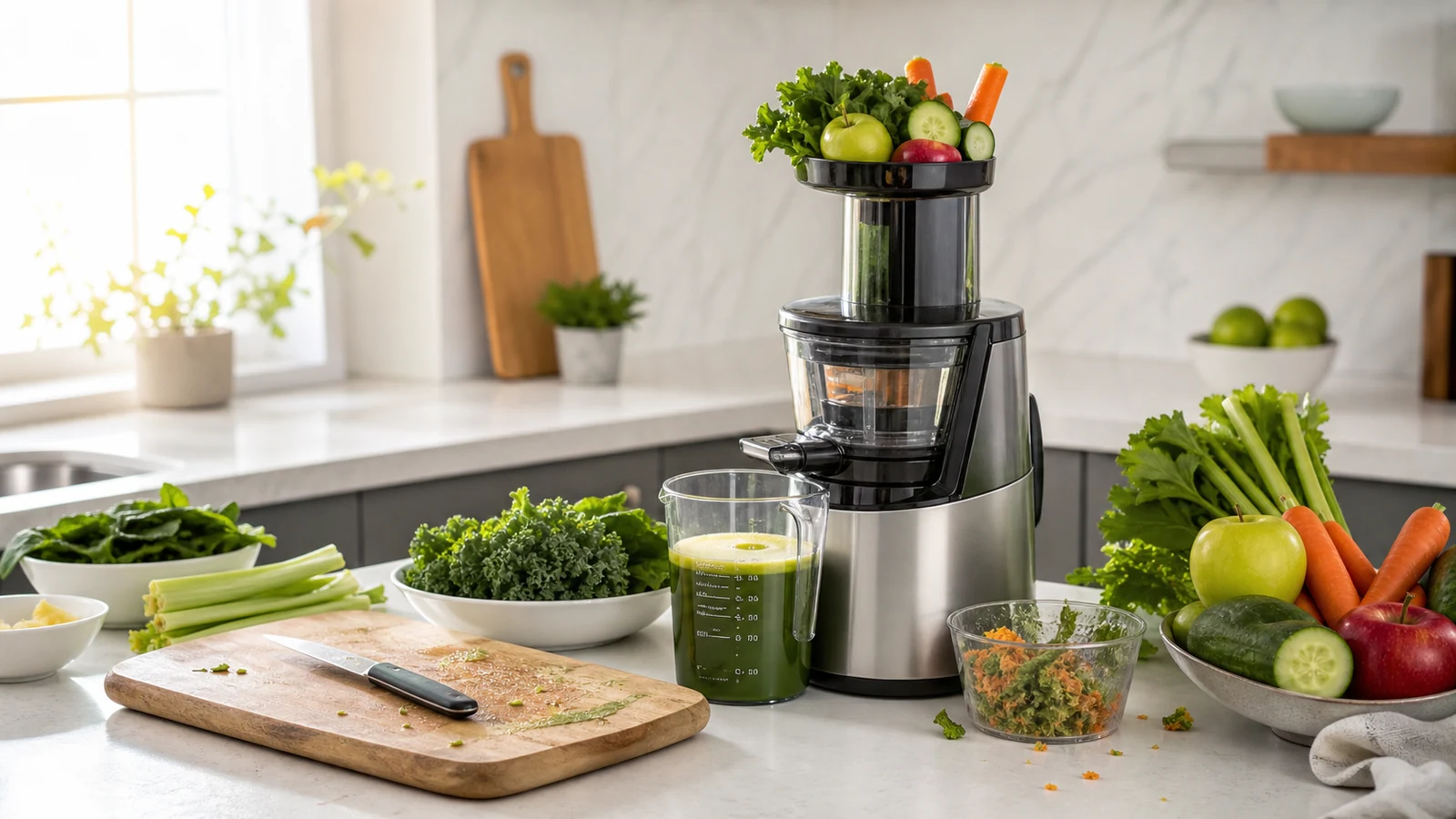
common juicing mistakes beginners make usually come from trying to make juicing too fast before the routine is ready. New users often add too much fruit, skip produce prep, overload the chute, wait too long to clean the screen, or store fresh juice like it is shelf-stable. The result can be watery flavor, bitter blends, wasted produce, frustrating cleanup, and juice that does not feel worth the effort.
The good news is that beginner juicing gets much easier when you fix a few practical habits. You do not need a complicated system or an expensive machine to start well. You need clean produce, balanced recipes, realistic batch sizes, and a juicer that fits the way you actually cook. This guide walks through the mistakes that matter most and gives you simple fixes you can use before your next glass.
Disclosure: This article may contain affiliate links. If you buy through them, Healthy Kitchen Reviews may earn a commission at no extra cost to you.
At a glance
- Best for: new juicer owners who want better flavor, less waste, easier cleanup, and safer fresh-juice habits.
- Not ideal if: you only want a ranked product roundup instead of practical technique guidance.
- What this guide focuses on: produce prep, fruit balance, machine fit, storage, cleanup, and beginner-friendly buying decisions.
- Primary topic: common juicing mistakes beginners make in the Juicers category.
Direct Answer: The Biggest Beginner Juicing Mistake
The biggest beginner mistake is treating juicing like a shortcut that does not need planning. Fresh juice is simple, but the process still has a rhythm: wash and trim produce, balance strong flavors, feed the machine steadily, chill juice quickly, and rinse parts before pulp dries. When one of those steps is skipped, the whole routine feels harder than it should.
Most early frustration is not really about juicing itself. It is about friction. If cleanup takes too long, you stop using the machine. If fruit-heavy recipes taste good but leave you hungry, the habit may not match your health goal. If you make a large batch without a storage plan, freshness drops. A better beginner setup removes friction before it builds.
Common Juicing Mistakes Beginners Make
1. Using Too Much Fruit
Fruit makes juice sweet and beginner-friendly, but too much can turn a glass into a fast-drinking, less filling fruit drink. Apples, oranges, grapes, pineapple, and pears can dominate a recipe quickly. That does not make them forbidden. It means they work best as flavor support rather than the whole base.
A practical fix is to start with vegetables first, then add fruit for balance. Cucumber, celery, carrots, leafy greens, lemon, ginger, and a small apple can taste bright without becoming overly sweet. If you are juicing for a healthier routine, this matters more than chasing a recipe that tastes like dessert.
2. Skipping Produce Washing and Trimming
Fresh juice often starts with raw produce, so washing matters. Dirt, grit, damaged spots, and handling residue should not go straight into the juicer. FDA produce-safety guidance emphasizes washing fruits and vegetables under running water and handling them carefully. That habit is especially important with leafy greens, celery, herbs, and produce that has visible soil.
Trimming also improves flavor. Beet tops, tough celery ends, bruised apple spots, dried carrot tips, and bitter peel can affect the final glass. You do not need to make the produce look restaurant-perfect. Just remove damaged areas, rinse well, and cut pieces to suit your machine.
3. Overloading the Feed Chute
Beginners often push produce too quickly because they want juice faster. That can cause jams, wet pulp, strain on the motor, more foam, or uneven extraction. A wide chute does not mean every piece should be shoved through at once. It only means prep can be easier.
Feed produce steadily and let the machine catch up. Alternate softer ingredients with firmer ones when possible. For example, follow leafy greens with cucumber, apple, or carrot to help move material through. This can make the process smoother and reduce the urge to force the pusher.
4. Ignoring Flavor Balance
A juice can be healthy-looking and still taste harsh. Too much kale can taste grassy. Too much beet can taste earthy. Too much ginger can burn. Too much lemon can overpower everything. Beginners sometimes blame the juicer when the recipe balance is the real issue.
Use strong ingredients in small amounts at first. A little ginger, lemon, parsley, or beet can make a recipe more interesting. A lot can make it unpleasant. Keep notes for the first few weeks. If one blend tastes flat, sharp, or muddy, adjust one ingredient at a time instead of changing the whole recipe.
5. Making More Juice Than You Can Drink Fresh
Batching feels efficient, but fresh juice is not designed for long storage. Homemade juice is usually best soon after juicing and should be chilled promptly if stored. A one-day plan is more realistic than filling bottles for the entire week.
If you want prep convenience, make enough for today and possibly tomorrow morning. Use clean, tightly sealed bottles, refrigerate quickly, and discard juice that smells sour, looks moldy, fizzes unexpectedly, or tastes off. This is one reason smaller batches are often better for beginners. Less pressure, less waste, and fresher flavor.
6. Waiting Too Long to Clean the Juicer
Dried pulp is the enemy of a sustainable juicing habit. Screens, strainers, pulp bins, augers, and cutting parts are easier to rinse right away. Wait an hour and the same parts can feel like a chore. Wait until the next day and the juicer may quietly become countertop decoration.
Build cleanup into the routine before you drink the juice. Pour the juice, place it in the fridge if needed, then rinse the parts while pulp is still soft. A small brush near the sink can make this easier. If cleanup is always annoying, your next juicer should prioritize simple parts over flashy features.
7. Expecting Juice to Replace Whole Produce
Juicing can support a healthy kitchen routine, but it should not quietly replace whole fruits and vegetables. Juicing removes much of the pulp and fiber, especially insoluble fiber. Mayo Clinic notes that whole fruits and vegetables provide fiber that juice may lack. That is a useful reminder for anyone using juice as a daily habit.
A better mindset is to let juice complement meals. Drink a small vegetable-forward juice with breakfast, use it as an afternoon refresh, or make it part of produce prep. Keep salads, roasted vegetables, fruit, beans, whole grains, and smoothies in the rotation when fiber and fullness matter.
8. Buying the Wrong Juicer for Your Routine
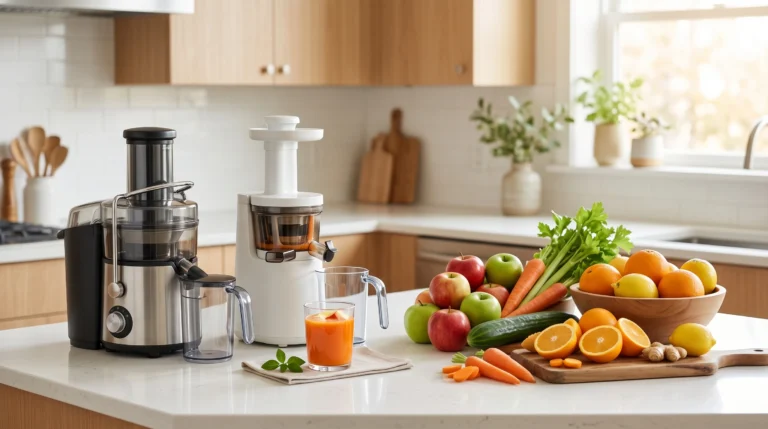
The best beginner juicer is not always the most expensive one. It is the one you will use, clean, and store without friction. A slow juicer may appeal if you care about leafy greens, quieter operation, and smoother texture. A centrifugal juicer may make sense if you want speed, lower upfront cost, and simple carrot-apple-cucumber style juices.
Before buying, think about your kitchen space, patience for cleanup, favorite ingredients, and how often you realistically plan to juice. A machine that is slightly less powerful but easier to clean can be a better fit than a more ambitious model that feels like a project every morning.
Quick Fix Table for Beginner Juicing Problems
| Problem | Likely Cause | Practical Fix |
|---|---|---|
| Juice tastes too sweet | Too much fruit | Use vegetables as the base and add fruit for flavor |
| Juice tastes bitter or harsh | Strong greens, peel, or too much ginger | Reduce intense ingredients and add cucumber, carrot, or lemon carefully |
| Juicer clogs often | Feeding too fast or using stringy produce poorly | Cut pieces smaller and alternate soft and firm ingredients |
| Cleanup feels exhausting | Pulp dries on the screen | Rinse parts immediately and keep a cleaning brush nearby |
| Stored juice tastes flat | Too much time, air, or warm storage | Make smaller batches, seal tightly, and refrigerate promptly |
Buyer Guidance: Choosing a Juicer That Helps You Avoid Mistakes
If you are shopping for your first juicer, start with the routine rather than the spec sheet. What ingredients do you actually buy every week? How much counter space do you have? Will you clean a multi-part machine before work? Do you want juice right away, or do you want smoother juice that may store a little better? These answers matter more than broad marketing claims.
For Leafy Greens and Ginger
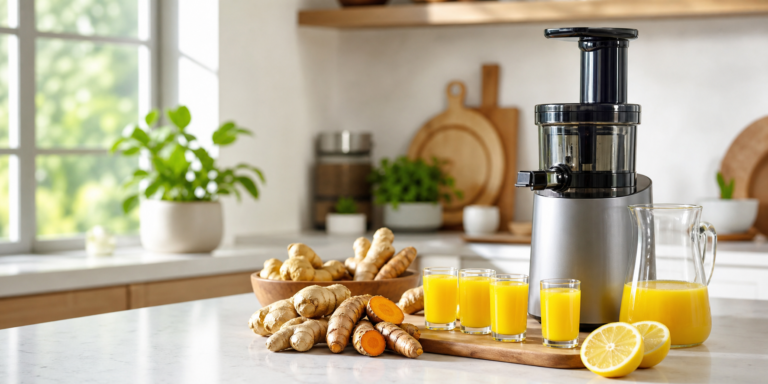
A slow juicer can be a better fit for leafy greens, herbs, wheatgrass-style ingredients, ginger, celery, and quieter morning prep. These machines are often chosen by people who want more deliberate extraction. The trade-off is that they can cost more and may require slower feeding.
For Fast Beginner Juicing
A centrifugal juicer can be easier to justify if you mostly want quick carrot, apple, cucumber, citrus, celery, or beet blends. The trade-off is that juice may be foamier, and some designs can be loud. If fast use keeps you consistent, that convenience can matter.
For Small Kitchens
Look for a footprint you can live with. If the juicer is hard to lift from a cabinet, it may not get used. Compact models can make sense for one or two people, especially if you are still learning whether juicing will become a regular habit.
Cleaning and Storage Habits That Make Juicing Easier
- Set out a compost bowl or pulp container before you start.
- Wash and trim produce before turning on the juicer.
- Keep recipes simple until you know which flavors you like.
- Rinse juicer parts before drinking if pulp tends to dry quickly.
- Use clean sealed bottles if storing juice in the refrigerator.
- Label stored juice with the time if you make it ahead.
These habits sound small, but they remove the most common reasons beginners quit. A smooth routine is easier to repeat than a perfect recipe. Once the basics feel automatic, you can experiment with more produce combinations.
What Beginners Should Avoid Saying Yes To
Avoid buying extra accessories before you know your routine. Avoid huge batches before you know how fresh juice fits your day. Avoid recipes that are mostly fruit if your goal is a more vegetable-forward habit. Avoid vague health promises that make juicing sound like a cure-all. Fresh juice can be useful, but it is still just one tool in a healthy kitchen.
Also avoid ignoring your own taste. If you hate a recipe, you will not keep making it. Start with milder blends, then slowly increase greens, herbs, ginger, beet, or lemon as your palate adjusts. A realistic habit beats an intense routine that lasts three days.
Frequently Asked Questions
What is the first juice beginners should make?
A simple carrot, apple, cucumber, lemon, and small ginger blend is often easier than a very green juice. It gives sweetness, freshness, and a little bite without overwhelming the drink. As you get used to the taste, reduce the apple or add celery, spinach, parsley, or kale in small amounts.
Should beginners buy a cold press juicer first?
A cold press juicer can be a good first choice if you care about leafy greens, smoother texture, quieter operation, and a more deliberate routine. But it is not mandatory. If speed, budget, and simple cleanup matter more, a centrifugal juicer may be the better beginner fit. The best first juicer is the one you will actually use.
Why does my homemade juice taste bitter?
Bitterness can come from too much kale, peel, pith, beet greens, old produce, or a strong ingredient used too heavily. Start by reducing intense greens and trimming citrus peel or damaged produce. Add cucumber, carrot, apple, or lemon carefully to brighten the flavor without making the drink overly sweet.
How do I reduce waste when juicing?
Make smaller batches, plan recipes around produce you already use, and save suitable clean pulp for soups, muffins, patties, broth, or compost. Do not force every pulp into a recipe, though. Ginger, beet, celery, and strong greens can overpower food quickly. Reducing waste starts with realistic shopping and batch sizes.
Is it safe to juice every day?
Daily juicing may fit some routines, especially when portions are moderate and recipes are vegetable-forward. It should not replace whole fruits, vegetables, and fiber-rich meals. People with medical nutrition needs, blood sugar concerns, pregnancy, immune concerns, or specific dietary restrictions should ask a qualified professional how fresh juice fits their situation.
Why is my juicer so hard to clean?
The screen or strainer usually causes the most frustration because fine pulp dries into the mesh. Rinse it immediately, use the included brush or a dedicated soft brush, and avoid letting parts sit in the sink for hours. If cleanup is always the barrier, an easy-clean juicer may be worth more than extra presets.
Related Guides
- Is Juicing Healthy?
- Does Juicing Remove Fiber?
- How Long Does Fresh Juice Last?
- Best Juicers for Beginners
- Best Easy-to-Clean Juicers
Helpful References
- FDA guidance on selecting and serving produce safely
- CDC food safety basics
- Mayo Clinic on juicing and whole fruits and vegetables
Conclusion
The common juicing mistakes beginners make are fixable. Most come down to rushing the process, using too much fruit, skipping prep, storing juice too long, or buying a machine that does not match your kitchen routine. Once you slow down the first few steps, juicing becomes less messy and more rewarding.
Start small, keep recipes vegetable-forward, clean the juicer before pulp dries, and treat fresh juice as a perishable homemade drink. The right juicer helps, but the right habits are what turn beginner enthusiasm into a routine you can keep.