Best Non-Toxic Baking Sheets
Best Non-Toxic Baking Sheets
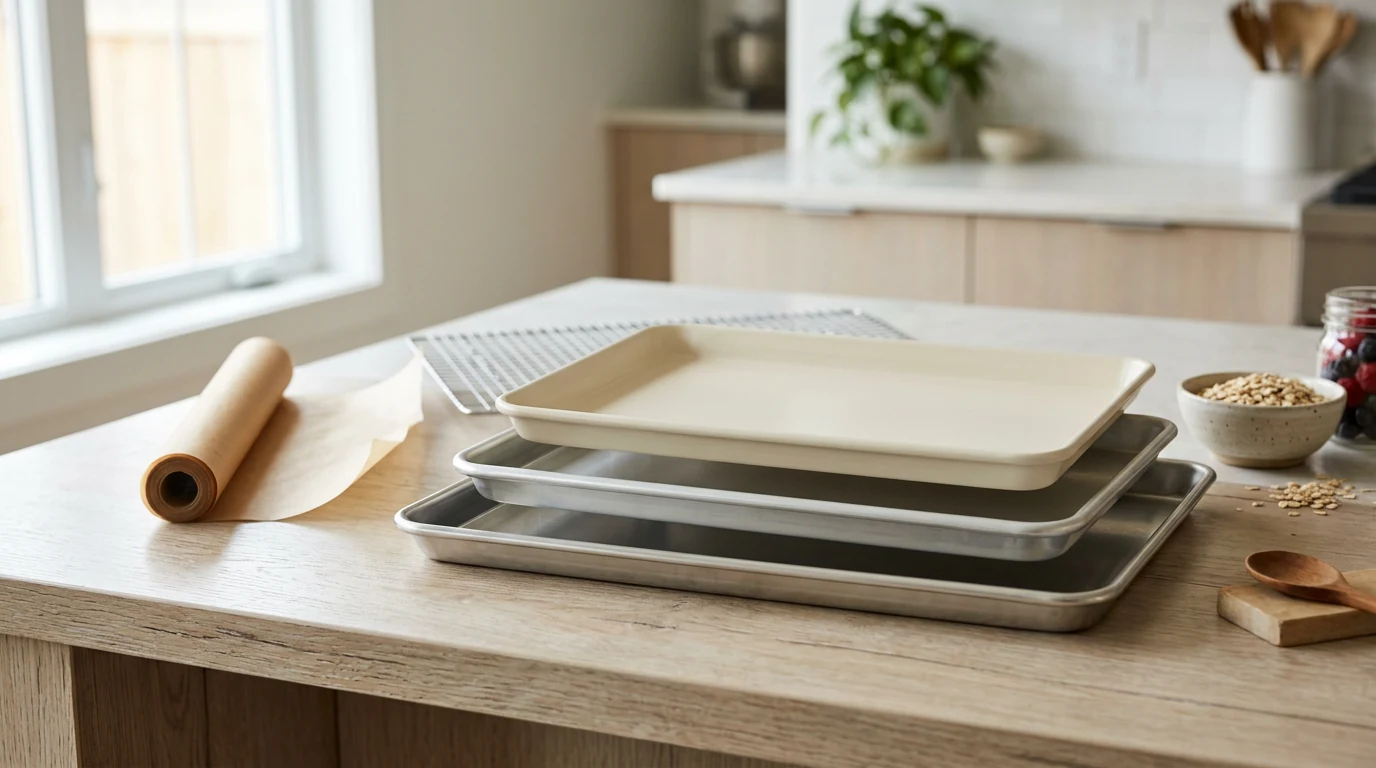
If you are searching for the best non-toxic baking sheets, you are probably trying to avoid mystery coatings, worn-out nonstick surfaces, and pans that make healthy cooking harder than it needs to be. The tricky part is that “non-toxic” can mean different things: uncoated aluminum, stainless steel, ceramic-coated steel, or a disclosed silicone coating. Each option has trade-offs.
This guide keeps the claims practical. I looked for baking sheets with clearer material information, useful everyday performance, and a realistic fit for roasting vegetables, baking cookies, reheating leftovers, and sheet-pan dinners. Disclosure: This article may contain affiliate links. If you buy through them, Healthy Kitchen Reviews may earn a commission at no extra cost to you.
Quick Comparison Table
| Rank | Product | Best For | Capacity | Key Feature | CTA |
|---|---|---|---|---|---|
| 1 | Nordic Ware Naturals Baker's Half Sheet | Best overall uncoated baking sheet | Half sheet size; commonly listed around 17.9 x 12.9 x 1.1 inches | Uncoated natural aluminum with reinforced rim | View on Amazon |
| 2 | USA Pan Bakeware Half Sheet Pan | Best nonstick option with clearer coating disclosure | Half sheet size; manufacturer listings commonly show 17.75 x 12.75 x 1 inches | Aluminized steel with Americoat silicone nonstick coating | View on Amazon |
| 3 | Caraway Large Baking Sheet | Best ceramic-coated baking sheet | Large sheet size; Caraway commonly lists 18 x 13 inches | Ceramic-coated aluminized steel design | View on Amazon |
| 4 | 360 Cookware Stainless Steel Jelly Roll Pan | Best stainless steel premium pick | Jelly roll pan format; exact usable capacity should be checked on the current product page | Stainless steel construction from a cookware-focused brand | View on Amazon |
| 5 | TeamFar Stainless Steel Baking Sheet Set | Best budget stainless steel set | Multi-pan set; sizes vary by set | Stainless steel pans with no nonstick coating | View on Amazon |
| 6 | Great Jones Holy Sheet | Best colorful ceramic-coated alternative | Half sheet style; commonly listed around 17.25 x 12.25 inches | Ceramic nonstick coated aluminized steel | View on Amazon |
Top Picks Summary
- Best Overall: Nordic Ware Naturals Baker's Half Sheet – uncoated aluminum, strong browning, and a reinforced rim
- Best Nonstick Compromise: USA Pan Bakeware Half Sheet Pan – silicone nonstick coating with clearer PTFE/PFOA/BPA-free disclosure
- Best Ceramic-Coated Pick: Caraway Large Baking Sheet – easy-clean ceramic-coated surface and strong non-toxic positioning
- Best Premium Stainless Steel: 360 Cookware Stainless Steel Jelly Roll Pan – coating-free stainless steel durability
- Best Budget Stainless Set: TeamFar Stainless Steel Baking Sheet Set – multiple coating-free pans at a more accessible price
- Best Colorful Alternative: Great Jones Holy Sheet – ceramic-coated convenience with a more design-forward look
Detailed Reviews of the Best Non-Toxic Baking Sheets
1. Nordic Ware Naturals Baker's Half Sheet
Nordic Ware Naturals Baker's Half Sheet is my best overall uncoated baking sheet pick because it has a clear role in a healthy home kitchen. The goal is not to pretend every baking sheet is risk-free or perfect. The goal is to choose the material and coating trade-off you can live with.
Key Features
- Nordic Ware describes the Naturals line as pure aluminum bakeware that will not rust.
- The published design uses an encapsulated steel rim to help prevent warping.
- The surface is uncoated, so it avoids synthetic nonstick coating but still benefits from parchment or a silicone mat for sticky foods.
What Makes It Stand Out
This is the pan I would put first for most buyers who want a simple, coating-free baking sheet. It heats quickly, browns well, and avoids the main concern many non-toxic cookware shoppers have: a mystery nonstick coating wearing down over time.
How It Helps Your Kitchen Routine
It is especially useful for roasted vegetables, sheet-pan chicken, granola, cookies on parchment, and weeknight batch prep. The uncoated surface means you get strong browning, but you also need to manage sticking with oil, parchment, or a reusable liner.
How to Use It
Line it with unbleached parchment for sticky or acidic foods, avoid cutting directly on the pan, and hand wash if you want the finish to look better longer. Aluminum can discolor, but discoloration is not the same thing as a coating failure.
Pros and Cons
Pros:
- No synthetic nonstick coating to maintain
- Strong browning performance for vegetables and cookies
- Reinforced rim helps the pan feel sturdier
Cons:
- Bare aluminum can discolor over time
- Not the easiest choice for very sticky foods without parchment
Customer Feedback Snapshot
Shoppers tend to like this style of pan because it feels familiar, affordable, and serious enough for regular baking. The usual complaints are cosmetic staining and the need to use liners for delicate foods.
Best For
Best for buyers who want a proven, coating-free half sheet pan for everyday healthy cooking. Skip it if you specifically want dishwasher convenience or a slick nonstick surface.
2. USA Pan Bakeware Half Sheet Pan
USA Pan Bakeware Half Sheet Pan is my best nonstick option with clearer coating disclosure pick because it has a clear role in a healthy home kitchen. The goal is not to pretend every baking sheet is risk-free or perfect. The goal is to choose the material and coating trade-off you can live with.
Key Features
- USA Pan describes the pan as aluminized steel bakeware with a corrugated surface for airflow and strength.
- The company says its Americoat coating is a silicone nonstick coating made without PTFE, PFOA, and BPA.
- The coating makes release easier, but it still needs gentler utensils and care than an uncoated metal sheet pan.
What Makes It Stand Out
This is the better fit if you want easier release but do not want a traditional PTFE-style nonstick claim. It is not coating-free, so I would not rank it above uncoated metal for every shopper, but the coating disclosure is clearer than many generic pans.
How It Helps Your Kitchen Routine
It can make sense for cookies, fish, delicate roasted foods, and lower-friction weeknight cooking. If cleanup is what keeps you from roasting vegetables regularly, a disclosed silicone-coated pan may be the compromise that gets used more often.
How to Use It
Use wood, silicone, or nylon tools, avoid metal scraping, and follow the brand care instructions. Treat the coating as a convenience feature, not something to abuse with broilers, knives, or abrasive pads.
Pros and Cons
Pros:
- Easier release than bare metal
- Clearer PTFE/PFOA/BPA-free coating language than many listings
- Corrugated surface is designed to support airflow and rigidity
Cons:
- Still uses a coating, so lifespan depends on care
- Not the right pick for buyers who want fully uncoated cookware
Customer Feedback Snapshot
Buyers usually focus on release, cookie performance, and cleanup with this pan. The main trade-off is accepting coating care rules instead of the rougher durability of bare metal.
Best For
Best for shoppers who want a nonstick baking sheet but are trying to avoid traditional PTFE-style nonstick cookware. Skip it if your definition of non-toxic means coating-free only.
3. Caraway Large Baking Sheet
Caraway Large Baking Sheet is my best ceramic-coated baking sheet pick because it has a clear role in a healthy home kitchen. The goal is not to pretend every baking sheet is risk-free or perfect. The goal is to choose the material and coating trade-off you can live with.
Key Features
- Caraway markets its bakeware around a ceramic-coated surface and non-toxic positioning.
- The large baking sheet is commonly listed at 18 x 13 inches.
- Caraway states its ceramic coating is made without PTFE, PFOA, PFAS, lead, and cadmium.
What Makes It Stand Out
Caraway is the design-forward ceramic option for buyers who want a smoother release surface and a cleaner-looking kitchen setup. It is more expensive than basic sheet pans, but the appeal is easy to understand: a slicker ceramic-coated surface with stronger non-toxic branding.
How It Helps Your Kitchen Routine
It works well for people who roast vegetables often, bake small batches, and care about cleanup as much as browning. It is also a good visual fit if your bakeware stays visible on open shelving or in a modern kitchen.
How to Use It
Use moderate heat, avoid metal utensils, and give the pan enough space to cool before washing. Ceramic coatings can lose slickness if overheated or scrubbed aggressively, so gentle care matters.
Pros and Cons
Pros:
- Ceramic-coated surface can make cleanup easier
- Strong non-toxic positioning from the brand
- Attractive design for giftable or visible bakeware
Cons:
- Higher price than basic aluminum pans
- Ceramic coatings still require careful handling
Customer Feedback Snapshot
The likely buyer satisfaction point is cleanup and appearance. The limitation is durability expectations: ceramic-coated bakeware should be treated carefully if you want it to stay slick and attractive.
Best For
Best for design-conscious buyers who want ceramic-coated bakeware and are willing to pay more for the finish. Skip it if you want maximum durability per dollar.
4. 360 Cookware Stainless Steel Jelly Roll Pan
360 Cookware Stainless Steel Jelly Roll Pan is my best stainless steel premium pick pick because it has a clear role in a healthy home kitchen. The goal is not to pretend every baking sheet is risk-free or perfect. The goal is to choose the material and coating trade-off you can live with.
Key Features
- 360 Cookware offers stainless steel bakeware positioned around durable, American-made cookware.
- Stainless steel avoids synthetic nonstick coatings and is generally more resistant to scratching than coated pans.
- Stainless steel does not brown exactly like aluminum, so cooking style and expectations matter.
What Makes It Stand Out
This is the premium pick for buyers who would rather avoid coatings and aluminum contact entirely. Stainless steel baking sheets are not always the most common choice for cookies, but they make a lot of sense for roasting vegetables, reheating, broiling-compatible tasks when allowed by the maker, and long-term durability.
How It Helps Your Kitchen Routine
It suits a kitchen where the sheet pan is used as a workhorse for vegetables, potatoes, tofu, chicken pieces, and reheating. You may need a little more oil or parchment for sticky foods, but you get a sturdier surface in return.
How to Use It
Preheat only when the recipe calls for it, use parchment for sticky marinades, and expect a different browning pattern than aluminum. Check the brand guidance before using very high heat or broiler settings.
Pros and Cons
Pros:
- Coating-free stainless steel surface
- Good fit for buyers avoiding both PTFE-style coatings and ceramic coatings
- Durable enough for frequent roasting and reheating
Cons:
- Usually costs more than basic sheet pans
- May not brown cookies as evenly as aluminum for every recipe
Customer Feedback Snapshot
Stainless steel bakeware tends to satisfy buyers who prioritize longevity and coating-free cooking. It can disappoint shoppers expecting effortless release without parchment or oil.
Best For
Best for buyers who want a sturdy coating-free pan and do more roasting than delicate cookie baking. Skip it if your top priority is low-cost cookie performance.
5. TeamFar Stainless Steel Baking Sheet Set
TeamFar Stainless Steel Baking Sheet Set is my best budget stainless steel set pick because it has a clear role in a healthy home kitchen. The goal is not to pretend every baking sheet is risk-free or perfect. The goal is to choose the material and coating trade-off you can live with.
Key Features
- TeamFar stainless baking sheet listings commonly position the pans as stainless steel and free from chemical coating.
- Set configurations vary, so buyers should check the exact size mix before ordering.
- As with most stainless sheet pans, parchment or oil helps with sticky foods and easier cleanup.
What Makes It Stand Out
This is the practical budget route if you want stainless steel baking sheets in more than one size. It is not as premium as a higher-end stainless pan, but it gives buyers a coating-free direction without the price jump of boutique cookware.
How It Helps Your Kitchen Routine
The set format is helpful if you cook different portions: a small pan for reheating, a medium pan for vegetables, and a larger pan for batch cooking. That flexibility can matter more than owning one expensive pan.
How to Use It
Choose the set size carefully, use parchment for cookies or sticky sauces, and dry promptly after washing. Stainless can show water spots, but that is mostly cosmetic.
Pros and Cons
Pros:
- Coating-free stainless steel option at a more accessible price
- Multiple sizes can be useful for meal prep
- Good backup pans for roasting and reheating
Cons:
- Product details vary by set and listing
- Fit and finish may not match premium stainless bakeware
Customer Feedback Snapshot
Budget stainless buyers usually care about avoiding coatings, getting multiple pans, and having dishwasher-friendly convenience where the listing allows it. The main limitation is that inexpensive stainless can feel lighter and less refined.
Best For
Best for budget-focused buyers who want several coating-free sheet pans. Skip it if you want a single heavy-duty premium pan with more detailed manufacturer specifications.
6. Great Jones Holy Sheet
Great Jones Holy Sheet is my best colorful ceramic-coated alternative pick because it has a clear role in a healthy home kitchen. The goal is not to pretend every baking sheet is risk-free or perfect. The goal is to choose the material and coating trade-off you can live with.
Key Features
- Great Jones positions Holy Sheet as a ceramic nonstick sheet pan.
- The brand commonly lists the pan as aluminized steel with a ceramic coating.
- As a coated pan, it should be handled gently and not treated like bare stainless steel.
What Makes It Stand Out
Great Jones is the fun alternative to Caraway if you want ceramic-coated bakeware with more color personality. It is not the most conservative coating-free choice, but it may get more everyday use if you like the look and appreciate easier release.
How It Helps Your Kitchen Routine
It fits cooks who roast vegetables, bake cookies, make freezer-to-oven snacks, and want a pan that feels pleasant to pull out often. For many home cooks, a pan that is easy to clean simply gets used more.
How to Use It
Avoid metal utensils, abrasive scrubbers, and unnecessary overheating. Use parchment when cooking sugary glazes or sticky marinades to protect the coating.
Pros and Cons
Pros:
- Ceramic nonstick surface for easier release
- Colorful design that feels less utilitarian
- Good fit for giftable bakeware
Cons:
- Coated surface needs care
- Not the best choice for buyers who want uncoated metal only
Customer Feedback Snapshot
The appeal is style plus convenience. The trade-off is the same as most coated bakeware: you need to protect the surface if you want it to last.
Best For
Best for buyers who want a ceramic-coated sheet pan with a more playful look. Skip it if you care more about bare-metal durability than style.
How These Non-Toxic Baking Sheets Compare
The biggest difference is material. Uncoated aluminum, like the Nordic Ware Naturals pan, is excellent for browning and avoids synthetic nonstick coatings, but it can discolor and usually needs parchment for sticky foods. Stainless steel is the most coating-free direction if you want to avoid both PTFE-style and ceramic coatings, but it can be less forgiving for cookies. Ceramic-coated pans from Caraway and Great Jones are easier to clean, but they still depend on coating care. USA Pan sits in the middle with a disclosed silicone nonstick coating.
For shoppers already comparing safer cookware, this buying logic is similar to our guides to cookware without PFAS, cookware without Teflon, and non-toxic cookware sets. The safest-feeling choice is not always the easiest to use, and the easiest-to-clean choice is not always the most durable.
How to Choose the Best Non-Toxic Baking Sheet
Start With the Material, Not the Color
A pretty pan is nice, but material matters more. Bare aluminum is responsive and great for browning. Stainless steel is durable and coating-free. Ceramic-coated steel is easier to clean but needs gentle care. Silicone-coated steel can be a reasonable nonstick compromise if the brand clearly discloses what the coating is made without.
Decide Whether Coating-Free Matters Most
If your top priority is avoiding coatings entirely, choose stainless steel or uncoated aluminum. If your top priority is easier release for cookies, fish, or sticky roasted vegetables, a ceramic-coated or silicone-coated pan may be more practical. There is no single perfect answer because each surface solves a different problem.
Use Parchment Strategically
Parchment paper can make a coating-free pan much easier to live with. It helps with cleanup, protects against sugary marinades, and reduces sticking. For high-heat roasting, always check the parchment temperature rating and keep it away from broiler flames.
Watch the Rim and Warping Risk
A reinforced rim is useful because sheet pans expand under heat. Even good pans can flex, but heavier construction and reinforced rims usually feel more stable. If you roast at higher temperatures often, avoid thin rimless cookie sheets as your main sheet-pan dinner tool.
Match the Size to Your Oven and Meals
A half sheet is the most useful size for many kitchens, but smaller ovens and countertop ovens may need quarter sheets. Crowding vegetables causes steaming instead of browning, so a larger sheet can support healthier meals by giving food enough room to roast properly.
Are Non-Toxic Baking Sheets Worth It for Healthy Cooking?
They can be. A better baking sheet can make it easier to roast vegetables, prep protein, bake lower-sugar snacks, and cook at home more often. But the pan itself does not make the meal healthy. Ingredients, oil amount, portion size, and cooking method still matter.
The main practical benefit is reducing friction. If a pan is easy to use and clean, you are more likely to make sheet-pan dinners instead of ordering food. If you are worried about worn coatings, choosing uncoated aluminum, stainless steel, or a carefully disclosed coating can also make the purchase feel calmer. For stovetop cookware, our stainless steel pans for beginners, cast iron skillet guide, carbon steel pan guide, and non-toxic frying pan guide are useful next reads.
Sources and Safety Notes
Product details were checked against available manufacturer pages and current product positioning before publishing. See Nordic Ware Naturals Baker’s Half Sheet product information, USA Pan Half Sheet Pan product information, Caraway Large Baking Sheet product information, 360 Cookware stainless steel jelly roll pan information, Great Jones Holy Sheet product information. Claims around PFAS, PTFE, PFOA, lead, cadmium, and coating materials should always be checked against the current manufacturer page before purchase because formulations and listings can change.
Frequently Asked Questions
What is the safest material for a baking sheet?
For coating-free cooking, stainless steel and uncoated aluminum are the simplest choices. Stainless steel avoids coatings and aluminum contact, while uncoated aluminum is excellent for browning but may discolor. If you choose ceramic or silicone-coated bakeware, check the brand’s current coating disclosures and care limits.
Are aluminum baking sheets non-toxic?
Uncoated aluminum baking sheets avoid synthetic nonstick coatings, which is why many shoppers like them. They can discolor and react more noticeably with acidic foods, so parchment is useful. If you are personally avoiding aluminum contact, stainless steel may be the better fit.
Are ceramic-coated baking sheets better than nonstick pans?
Ceramic-coated baking sheets can be appealing because many brands market them as made without PTFE, PFOA, PFAS, lead, or cadmium. They are still coated pans, though, so they need gentle care and may lose slickness over time.
Do stainless steel baking sheets stick?
They can, especially with cookies, sugary sauces, or lean proteins. Oil, parchment, and proper spacing help. Stainless steel is usually chosen for durability and coating-free cooking, not for effortless food release.
Can I put non-toxic baking sheets in the dishwasher?
Check the specific product page. Some stainless steel pans may tolerate dishwasher use, while aluminum can discolor and coated pans often last longer with hand washing. If appearance and coating life matter, hand washing is usually the safer habit.
What baking sheet should I choose for roasted vegetables?
For strong browning, uncoated aluminum is hard to beat. Stainless steel is better if you want coating-free durability and do not mind using parchment or a bit more oil. Ceramic-coated pans are easier to clean but need gentler handling.
Conclusion
The best non-toxic baking sheets depend on what you mean by non-toxic. Nordic Ware Naturals is the best overall pick if you want a simple uncoated aluminum half sheet with strong browning. USA Pan is the best disclosed nonstick compromise. Caraway is the best ceramic-coated choice. 360 Cookware is the premium stainless steel pick, while TeamFar is the budget stainless set for coating-free buyers. Choose the surface you will actually use, care for, and clean without frustration. That is the baking sheet most likely to support healthier cooking in a real kitchen.