Best Stainless Steel Pans for Beginners
Best Stainless Steel Pans for Beginners
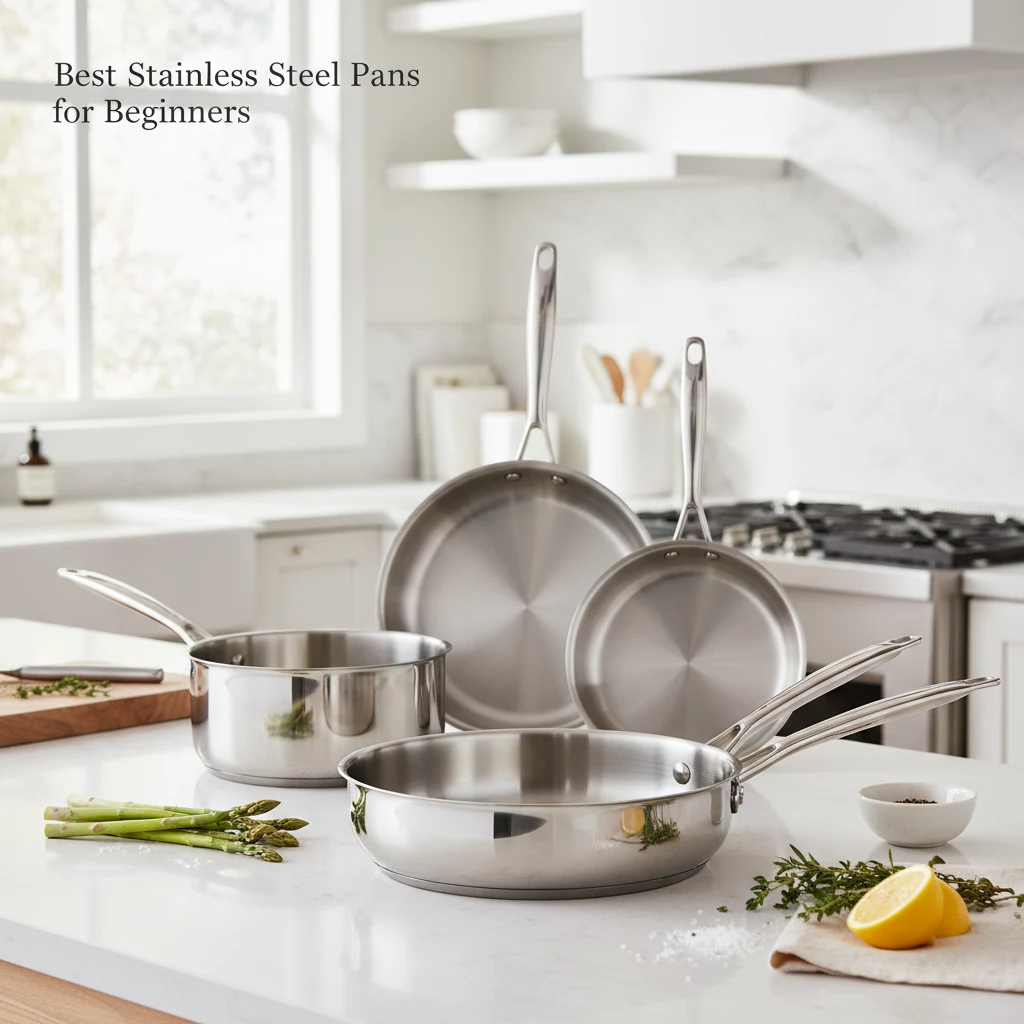
If you are shopping for the best stainless steel pans for beginners, the real challenge is not finding a shiny pan. It is choosing one that will not punish you while you learn stainless-steel cooking. Beginners need a pan that heats predictably, cleans up without drama, and feels useful for everyday meals instead of sitting in the cabinet after two frustrating attempts.
Stainless steel is different from nonstick. It can brown food better, handle higher-heat cooking more confidently, and avoid the coating concerns many healthy-kitchen shoppers are trying to move away from. But it also asks more from you: preheating, oil control, patience, and a little practice. This guide focuses on beginner-friendly stainless pans that make that learning curve more manageable.
Disclosure: This article may contain affiliate links. If you buy through them, Healthy Kitchen Reviews may earn a commission at no extra cost to you.
Quick Comparison Table
| Rank | Product | Best For | Capacity | Key Feature | CTA |
|---|---|---|---|---|---|
| 1 | Tramontina Signature Tri-Ply Clad Stainless Steel Fry Pan | Best Overall for Most Beginners | 10-inch and other sizes are commonly available; confirm the exact listing before buying. | Tri-ply clad construction with an aluminum core between stainless steel layers, according to Tramontina product information. | View on Amazon |
| 2 | Cuisinart MultiClad Pro Stainless 10-Inch Skillet | Best Budget-Friendly Starter Pan | 10-inch skillet; exact package contents depend on the listing. | Triple-ply stainless construction is the key draw on the MultiClad Pro line. | View on Amazon |
| 3 | All-Clad D3 Stainless 10-Inch Fry Pan | Best Premium Beginner Upgrade | 10-inch fry pan; confirm current listing details before purchase. | D3 is All-Clad’s bonded stainless line, built for even heating and long-term durability. | View on Amazon |
| 4 | Made In 10-Inch Stainless Clad Frying Pan | Best for Serious Home Cooks Learning Stainless | 10-inch pan; Made In also sells other sizes. | Made In describes the pan around heat control, responsiveness, and durability; Amazon listings commonly describe a 5-ply stainless build. | View on Amazon |
| 5 | Misen Stainless Steel Pan | Best Modern Direct-to-Consumer Option | Commonly sold in everyday skillet sizes; confirm the exact size and current availability. | Designed as a clad stainless everyday pan with a simpler buying experience. | View on Amazon |
| 6 | Calphalon Stainless Steel Fry Pan | Best Familiar Retail Pick | Often available in common skillet sizes; verify the specific listing. | Stainless steel construction with a mainstream retail footprint. | View on Amazon |
Our Top Picks
- Best Overall: Tramontina Signature Tri-Ply Clad Stainless Steel Fry Pan because it balances real stainless performance with beginner-friendly value.
- Best Budget: Cuisinart MultiClad Pro Stainless 10-Inch Skillet for shoppers who want a lower-risk first stainless pan.
- Best Premium Pick: All-Clad D3 Stainless 10-Inch Fry Pan for buyers who want a long-term pan from a legacy cookware brand.
- Best for Serious Home Cooks: Made In 10-Inch Stainless Clad Frying Pan for cooks who want responsiveness and room to grow.
- Best Easy-to-Find Pick: Calphalon Stainless Steel Fry Pan for mainstream availability.
Detailed Reviews of the Best Stainless Steel Pans for Beginners
1. Tramontina Signature Tri-Ply Clad Stainless Steel Fry Pan
Tramontina Signature Tri-Ply Clad Stainless Steel Fry Pan is a good fit for shoppers who want best overall for most beginners. It gives beginners the classic stainless-steel learning experience without jumping straight to the highest-priced pan.
Key Features
- Best for: Best Overall for Most Beginners
- Capacity/size: 10-inch and other sizes are commonly available; confirm the exact listing before buying.
- Key feature: Tri-ply clad construction with an aluminum core between stainless steel layers, according to Tramontina product information.
- Coating: No traditional nonstick coating is being recommended here; confirm the exact listing if you want fully uncoated stainless steel.
What Makes It Stand Out
The reason this pan belongs in a beginner roundup is that its strongest selling point is easy to understand in everyday use. Stainless steel rewards patience: preheat the pan, add enough fat, avoid forcing food too early, and give the surface time to release. A pan that heats evenly and feels stable makes that learning curve less frustrating.
How It Helps Your Kitchen Routine
This kind of pan is useful for eggs once you learn temperature control, but it is even easier to appreciate with vegetables, chicken cutlets, fish, tofu, pan sauces, and quick sautés. For a healthy kitchen, the main benefit is not magic nutrition. It is that a dependable pan makes home cooking feel more repeatable.
How to Use It
Start on medium heat, not high heat. Let the pan warm gradually, add oil after preheating, then add dry food instead of wet food. If food sticks badly, wait a little before turning it or lower the heat on the next batch. Stainless steel is less forgiving than nonstick, but it becomes much easier once you stop rushing the preheat and release steps.
Pros and Cons
- Pros: Good option for learning stainless technique; no reliance on a traditional nonstick coating; useful for browning and pan sauces.
- Cons: Requires more heat control than ceramic or nonstick; exact specs can vary by retailer listing; not the easiest choice for rushed eggs.
Customer Feedback Snapshot
The feedback pattern to watch is simple: buyers usually care about sticking, heating, handle comfort, cleanup, and whether the pan warps or stains over time. Read recent reviews with those points in mind rather than focusing only on star ratings.
Best For
This pan is best for best overall for most beginners, especially if you want to build stainless-steel cooking habits instead of depending on coated cookware for every meal.
2. Cuisinart MultiClad Pro Stainless 10-Inch Skillet
Cuisinart MultiClad Pro Stainless 10-Inch Skillet is a good fit for shoppers who want best budget-friendly starter pan. It is a practical choice if you want to learn stainless cooking without overspending on your first pan.
Key Features
- Best for: Best Budget-Friendly Starter Pan
- Capacity/size: 10-inch skillet; exact package contents depend on the listing.
- Key feature: Triple-ply stainless construction is the key draw on the MultiClad Pro line.
- Coating: No traditional nonstick coating is being recommended here; confirm the exact listing if you want fully uncoated stainless steel.
What Makes It Stand Out
The reason this pan belongs in a beginner roundup is that its strongest selling point is easy to understand in everyday use. Stainless steel rewards patience: preheat the pan, add enough fat, avoid forcing food too early, and give the surface time to release. A pan that heats evenly and feels stable makes that learning curve less frustrating.
How It Helps Your Kitchen Routine
This kind of pan is useful for eggs once you learn temperature control, but it is even easier to appreciate with vegetables, chicken cutlets, fish, tofu, pan sauces, and quick sautés. For a healthy kitchen, the main benefit is not magic nutrition. It is that a dependable pan makes home cooking feel more repeatable.
How to Use It
Start on medium heat, not high heat. Let the pan warm gradually, add oil after preheating, then add dry food instead of wet food. If food sticks badly, wait a little before turning it or lower the heat on the next batch. Stainless steel is less forgiving than nonstick, but it becomes much easier once you stop rushing the preheat and release steps.
Pros and Cons
- Pros: Good option for learning stainless technique; no reliance on a traditional nonstick coating; useful for browning and pan sauces.
- Cons: Requires more heat control than ceramic or nonstick; exact specs can vary by retailer listing; not the easiest choice for rushed eggs.
Customer Feedback Snapshot
The feedback pattern to watch is simple: buyers usually care about sticking, heating, handle comfort, cleanup, and whether the pan warps or stains over time. Read recent reviews with those points in mind rather than focusing only on star ratings.
Best For
This pan is best for best budget-friendly starter pan, especially if you want to build stainless-steel cooking habits instead of depending on coated cookware for every meal.
3. All-Clad D3 Stainless 10-Inch Fry Pan
All-Clad D3 Stainless 10-Inch Fry Pan is a good fit for shoppers who want best premium beginner upgrade. It costs more, but it is a sensible upgrade for someone who wants a pan they can keep for years.
Key Features
- Best for: Best Premium Beginner Upgrade
- Capacity/size: 10-inch fry pan; confirm current listing details before purchase.
- Key feature: D3 is All-Clad’s bonded stainless line, built for even heating and long-term durability.
- Coating: No traditional nonstick coating is being recommended here; confirm the exact listing if you want fully uncoated stainless steel.
What Makes It Stand Out
The reason this pan belongs in a beginner roundup is that its strongest selling point is easy to understand in everyday use. Stainless steel rewards patience: preheat the pan, add enough fat, avoid forcing food too early, and give the surface time to release. A pan that heats evenly and feels stable makes that learning curve less frustrating.
How It Helps Your Kitchen Routine
This kind of pan is useful for eggs once you learn temperature control, but it is even easier to appreciate with vegetables, chicken cutlets, fish, tofu, pan sauces, and quick sautés. For a healthy kitchen, the main benefit is not magic nutrition. It is that a dependable pan makes home cooking feel more repeatable.
How to Use It
Start on medium heat, not high heat. Let the pan warm gradually, add oil after preheating, then add dry food instead of wet food. If food sticks badly, wait a little before turning it or lower the heat on the next batch. Stainless steel is less forgiving than nonstick, but it becomes much easier once you stop rushing the preheat and release steps.
Pros and Cons
- Pros: Good option for learning stainless technique; no reliance on a traditional nonstick coating; useful for browning and pan sauces.
- Cons: Requires more heat control than ceramic or nonstick; exact specs can vary by retailer listing; not the easiest choice for rushed eggs.
Customer Feedback Snapshot
The feedback pattern to watch is simple: buyers usually care about sticking, heating, handle comfort, cleanup, and whether the pan warps or stains over time. Read recent reviews with those points in mind rather than focusing only on star ratings.
Best For
This pan is best for best premium beginner upgrade, especially if you want to build stainless-steel cooking habits instead of depending on coated cookware for every meal.
4. Made In 10-Inch Stainless Clad Frying Pan
Made In 10-Inch Stainless Clad Frying Pan is a good fit for shoppers who want best for serious home cooks learning stainless. It is beginner-friendly if you are willing to learn heat control and want a pan that can grow with your cooking.
Key Features
- Best for: Best for Serious Home Cooks Learning Stainless
- Capacity/size: 10-inch pan; Made In also sells other sizes.
- Key feature: Made In describes the pan around heat control, responsiveness, and durability; Amazon listings commonly describe a 5-ply stainless build.
- Coating: No traditional nonstick coating is being recommended here; confirm the exact listing if you want fully uncoated stainless steel.
What Makes It Stand Out
The reason this pan belongs in a beginner roundup is that its strongest selling point is easy to understand in everyday use. Stainless steel rewards patience: preheat the pan, add enough fat, avoid forcing food too early, and give the surface time to release. A pan that heats evenly and feels stable makes that learning curve less frustrating.
How It Helps Your Kitchen Routine
This kind of pan is useful for eggs once you learn temperature control, but it is even easier to appreciate with vegetables, chicken cutlets, fish, tofu, pan sauces, and quick sautés. For a healthy kitchen, the main benefit is not magic nutrition. It is that a dependable pan makes home cooking feel more repeatable.
How to Use It
Start on medium heat, not high heat. Let the pan warm gradually, add oil after preheating, then add dry food instead of wet food. If food sticks badly, wait a little before turning it or lower the heat on the next batch. Stainless steel is less forgiving than nonstick, but it becomes much easier once you stop rushing the preheat and release steps.
Pros and Cons
- Pros: Good option for learning stainless technique; no reliance on a traditional nonstick coating; useful for browning and pan sauces.
- Cons: Requires more heat control than ceramic or nonstick; exact specs can vary by retailer listing; not the easiest choice for rushed eggs.
Customer Feedback Snapshot
The feedback pattern to watch is simple: buyers usually care about sticking, heating, handle comfort, cleanup, and whether the pan warps or stains over time. Read recent reviews with those points in mind rather than focusing only on star ratings.
Best For
This pan is best for best for serious home cooks learning stainless, especially if you want to build stainless-steel cooking habits instead of depending on coated cookware for every meal.
5. Misen Stainless Steel Pan
Misen Stainless Steel Pan is a good fit for shoppers who want best modern direct-to-consumer option. It suits shoppers who want a clean, modern stainless pan without sorting through dozens of legacy cookware lines.
Key Features
- Best for: Best Modern Direct-to-Consumer Option
- Capacity/size: Commonly sold in everyday skillet sizes; confirm the exact size and current availability.
- Key feature: Designed as a clad stainless everyday pan with a simpler buying experience.
- Coating: No traditional nonstick coating is being recommended here; confirm the exact listing if you want fully uncoated stainless steel.
What Makes It Stand Out
The reason this pan belongs in a beginner roundup is that its strongest selling point is easy to understand in everyday use. Stainless steel rewards patience: preheat the pan, add enough fat, avoid forcing food too early, and give the surface time to release. A pan that heats evenly and feels stable makes that learning curve less frustrating.
How It Helps Your Kitchen Routine
This kind of pan is useful for eggs once you learn temperature control, but it is even easier to appreciate with vegetables, chicken cutlets, fish, tofu, pan sauces, and quick sautés. For a healthy kitchen, the main benefit is not magic nutrition. It is that a dependable pan makes home cooking feel more repeatable.
How to Use It
Start on medium heat, not high heat. Let the pan warm gradually, add oil after preheating, then add dry food instead of wet food. If food sticks badly, wait a little before turning it or lower the heat on the next batch. Stainless steel is less forgiving than nonstick, but it becomes much easier once you stop rushing the preheat and release steps.
Pros and Cons
- Pros: Good option for learning stainless technique; no reliance on a traditional nonstick coating; useful for browning and pan sauces.
- Cons: Requires more heat control than ceramic or nonstick; exact specs can vary by retailer listing; not the easiest choice for rushed eggs.
Customer Feedback Snapshot
The feedback pattern to watch is simple: buyers usually care about sticking, heating, handle comfort, cleanup, and whether the pan warps or stains over time. Read recent reviews with those points in mind rather than focusing only on star ratings.
Best For
This pan is best for best modern direct-to-consumer option, especially if you want to build stainless-steel cooking habits instead of depending on coated cookware for every meal.
6. Calphalon Stainless Steel Fry Pan
Calphalon Stainless Steel Fry Pan is a good fit for shoppers who want best familiar retail pick. It is useful for beginners who want something easy to find, compare, and replace if needed.
Key Features
- Best for: Best Familiar Retail Pick
- Capacity/size: Often available in common skillet sizes; verify the specific listing.
- Key feature: Stainless steel construction with a mainstream retail footprint.
- Coating: No traditional nonstick coating is being recommended here; confirm the exact listing if you want fully uncoated stainless steel.
What Makes It Stand Out
The reason this pan belongs in a beginner roundup is that its strongest selling point is easy to understand in everyday use. Stainless steel rewards patience: preheat the pan, add enough fat, avoid forcing food too early, and give the surface time to release. A pan that heats evenly and feels stable makes that learning curve less frustrating.
How It Helps Your Kitchen Routine
This kind of pan is useful for eggs once you learn temperature control, but it is even easier to appreciate with vegetables, chicken cutlets, fish, tofu, pan sauces, and quick sautés. For a healthy kitchen, the main benefit is not magic nutrition. It is that a dependable pan makes home cooking feel more repeatable.
How to Use It
Start on medium heat, not high heat. Let the pan warm gradually, add oil after preheating, then add dry food instead of wet food. If food sticks badly, wait a little before turning it or lower the heat on the next batch. Stainless steel is less forgiving than nonstick, but it becomes much easier once you stop rushing the preheat and release steps.
Pros and Cons
- Pros: Good option for learning stainless technique; no reliance on a traditional nonstick coating; useful for browning and pan sauces.
- Cons: Requires more heat control than ceramic or nonstick; exact specs can vary by retailer listing; not the easiest choice for rushed eggs.
Customer Feedback Snapshot
The feedback pattern to watch is simple: buyers usually care about sticking, heating, handle comfort, cleanup, and whether the pan warps or stains over time. Read recent reviews with those points in mind rather than focusing only on star ratings.
Best For
This pan is best for best familiar retail pick, especially if you want to build stainless-steel cooking habits instead of depending on coated cookware for every meal.
How These Stainless Steel Pans Compare
For beginners, the biggest difference is not always the brand name. It is how forgiving the pan feels during the first few weeks. A fully clad pan usually spreads heat more evenly than a thin disc-bottom pan, which can make sticking and scorching easier to manage. A comfortable handle matters too, because stainless pans often feel heavier than coated skillets.
If you mostly cook eggs, pancakes, and delicate fish, stainless steel may feel challenging at first. If you cook vegetables, chicken, steak, tofu, stir-fry-style meals, or pan sauces, it can become one of the most useful pans in your kitchen. That is why the best beginner pick should match what you actually cook, not just what looks impressive online.
How to Choose the Best Stainless Steel Pan for Beginners
Start With One Pan, Not a Full Set
A 10-inch stainless fry pan is usually the safest first buy. It is large enough for vegetables, chicken pieces, fish fillets, and small family meals, but not so large that it becomes hard to heat evenly. If you already know you cook for several people, a 12-inch pan can make sense, but it also needs more burner power and more storage space.
Look for Clad Construction
Clad stainless pans usually have layers of stainless steel around a conductive core such as aluminum. That construction helps heat move across the base and up the sides more evenly. For beginners, even heating matters because hot spots make food stick and scorch faster.
Check the Handle and Weight
A pan can be technically excellent and still feel wrong in your hand. If you have wrist issues or prefer lighter cookware, pay attention to weight and handle shape. Stainless steel pans are not all built the same, and comfort matters when you are shaking vegetables, moving the pan to the sink, or pouring a pan sauce.
Avoid Overbuying Features
Beginners do not need every premium feature on day one. You need a pan that heats evenly, feels stable, and teaches you the basics. Once you understand preheating and release, you can decide whether you want more sizes, sauciers, sauté pans, or a full cookware set.
Stainless Steel vs Nonstick for a Healthy Kitchen
Many readers arrive here after reading about cookware without PFAS or cookware without Teflon. Stainless steel is appealing because an uncoated stainless cooking surface does not depend on a synthetic nonstick coating. That does not mean every stainless pan is automatically perfect, and it does not remove the need for good cooking habits. It simply gives you a durable, versatile alternative.
If you want an easier bridge from nonstick, ceramic cookware can feel more familiar, while stainless steel rewards better technique. You can also pair one stainless pan with a broader stainless steel cookware set later if you decide you like the style. For saucepans and batch cooking, our guides to non-toxic saucepans and non-toxic stock pots cover related choices.
Beginner Tips for Cooking With Stainless Steel
- Preheat on medium or medium-low before adding oil.
- Dry food before placing it in the pan, especially proteins.
- Do not move food too early; it often releases after browning.
- Use enough oil or fat for the food you are cooking.
- Lower the heat if oil smokes or food scorches quickly.
- Deglaze browned bits with water, broth, or wine when appropriate.
- Clean promptly after cooling so residue does not become harder to remove.
For food-safety basics, follow standard safe-cooking guidance from sources such as the FoodSafety.gov safe minimum temperature chart. A better pan can help your routine, but safe food handling still depends on temperature, storage, and cleanup habits.
Frequently Asked Questions
What is the best stainless steel pan size for beginners?
A 10-inch stainless steel fry pan is the safest starting point for most beginners. It is easier to control than a large 12-inch pan but still roomy enough for common meals.
Why does food stick to stainless steel?
Food often sticks because the pan is too cold, too hot, too dry, or moved too early. Stainless steel usually works better when you preheat properly, add oil after the pan warms, and give food time to brown before turning it.
Is stainless steel better than nonstick?
It depends on the job. Stainless steel is better for browning, searing, durability, and avoiding traditional nonstick coatings. Nonstick is easier for delicate foods and low-fat cooking. Many kitchens benefit from having both, but stainless is the stronger long-term skill-building pan.
Can beginners cook eggs in stainless steel?
Yes, but eggs are one of the harder beginner foods. Start with vegetables or proteins first, then practice eggs once you understand preheating and oil control. If you cook eggs every morning and hate fuss, keeping one nonstick or ceramic pan may still be practical.
Are stainless steel pans non-toxic?
Uncoated stainless steel pans are commonly chosen by shoppers who want to avoid traditional nonstick coatings. Still, no cookware is perfect for every person or situation. If you have a nickel sensitivity or specific medical concern, ask a qualified professional and review manufacturer materials carefully.
Conclusion
The best stainless steel pans for beginners should make stainless-steel cooking feel learnable, not intimidating. For most shoppers, the Tramontina Signature Tri-Ply Clad Stainless Steel Fry Pan is the best overall starting point because it gives you the core stainless experience at a sensible value. Cuisinart is a good budget-friendly route, All-Clad is the premium upgrade, and Made In is a strong pick for serious home cooks who want a responsive everyday pan.
Choose the pan that fits your routine first. The right stainless pan will not make every meal healthy by itself, but it can make home cooking easier to repeat, easier to trust, and more satisfying once you learn the basics.