Best Cookware Without PFAS
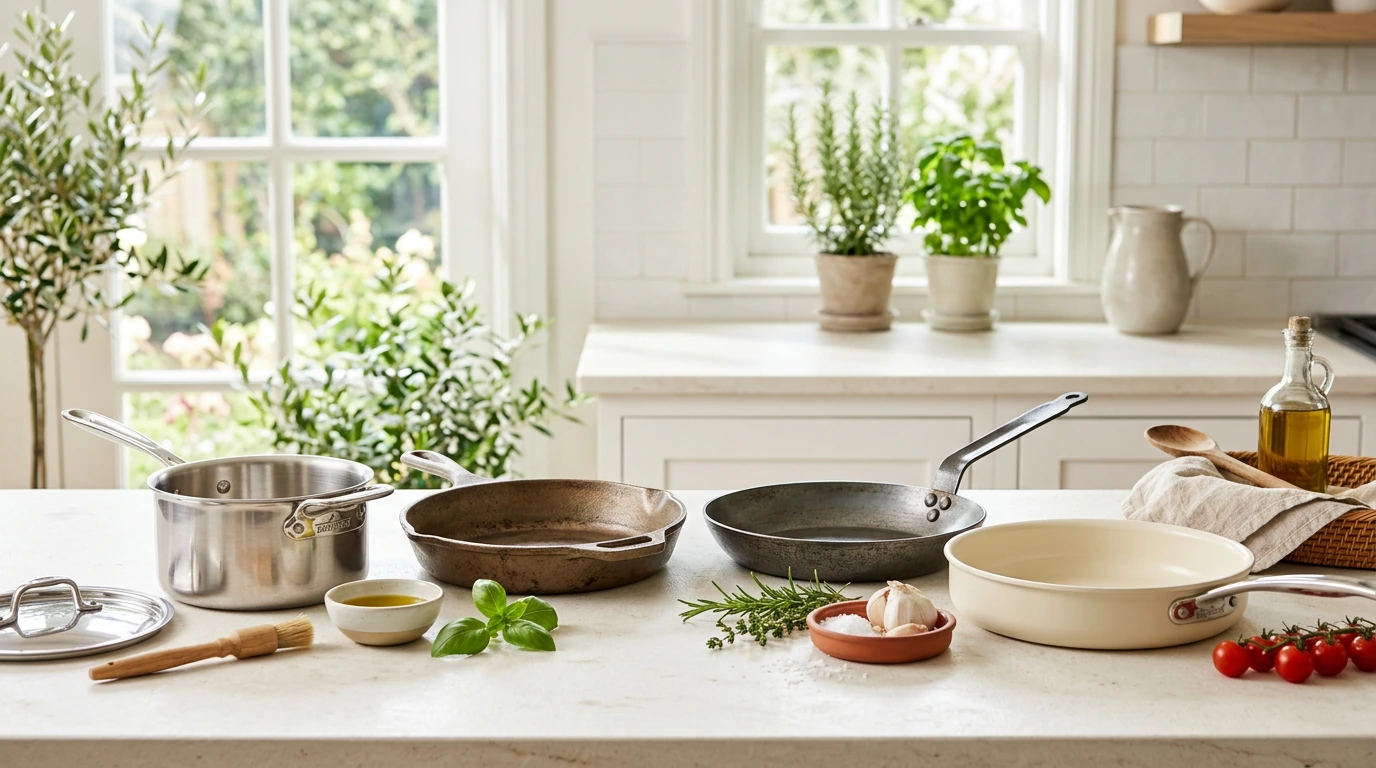
If you are shopping for the best cookware without pfas, the main goal is simple: choose cookware that helps you avoid PFAS-style nonstick coatings without making everyday cooking frustrating. The tricky part is that “non-toxic” cookware labels can blur together. Stainless steel, carbon steel, cast iron-style seasoning, pure ceramic, and ceramic-coated pans all behave differently in a real kitchen.
This guide keeps the decision practical. Instead of treating every PFAS-conscious pan as interchangeable, it compares materials, care needs, cooking style, and buyer fit. Some picks are durable stainless sets. One is a clearly listed made-without-PFAS carbon steel skillet. Ceramic options are included for shoppers who want easier release, but the coating-care trade-offs are spelled out plainly.
Disclosure: This article may contain affiliate links. If you buy through them, Healthy Kitchen Reviews may earn a commission at no extra cost to you.
Quick Comparison Table
| Rank | Product | Best For | Material | Key Feature | CTA |
|---|---|---|---|---|---|
| 1 | Made In 10-Piece Stainless Clad Cookware Set | Best Overall Stainless Set | 5-ply stainless clad cookware | 5-ply stainless construction with a full core of layered metals | View on Amazon |
| 2 | All-Clad D3 Stainless 10-Piece Cookware Set | Best Premium Classic | Tri-ply bonded stainless steel | D3 tri-ply construction with stainless cooking surface and aluminum core | View on Amazon |
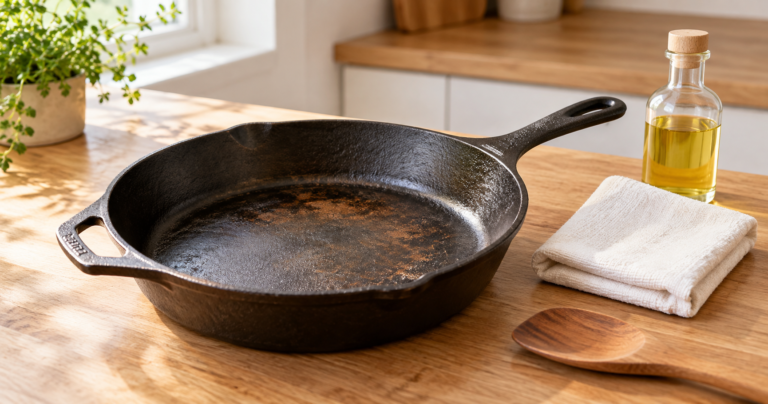
| 3 | Lodge Carbon Steel Skillet | Best Affordable PFAS-Free Skillet | Seasoned carbon steel | Made without PFAS and seasoned with vegetable oil | View on Amazon |
| 4 | Caraway Ceramic Cookware Set | Best Ceramic-Coated Set | Ceramic-coated cookware | Ceramic nonstick-style cooking surface from a brand known for PFAS-free positioning | View on Amazon |
| 5 | Xtrema Ceramic Cookware | Best Pure Ceramic Direction | Ceramic cookware | Ceramic material focus rather than stainless or carbon steel | View on Amazon |
| 6 | 360 Cookware 6-Piece Stainless Steel Cookware Set | Best Waterless-Style Stainless Set | Stainless steel cookware | 360 Vapor technology and a smaller stainless starter format | View on Amazon |
Our Top Picks
- Best Overall: Made In 10-Piece Stainless Clad Cookware Set – the strongest all-around foundation for moving away from coated nonstick.
- Best Premium Classic: All-Clad D3 Stainless 10-Piece Cookware Set – a proven tri-ply stainless set for serious home cooks.
- Best Affordable Skillet: Lodge Carbon Steel Skillet – a clear made-without-PFAS pick with seasoning-based release.
- Best Ceramic-Coated Set: Caraway Ceramic Cookware Set – best for shoppers who still want an easier-release cooking surface.
- Best Smaller Stainless Set: 360 Cookware 6-Piece Stainless Steel Cookware Set – useful if a full 10-piece set is more than you need.
Detailed Reviews of the Best Cookware Without PFAS
1. Made In 10-Piece Stainless Clad Cookware Set
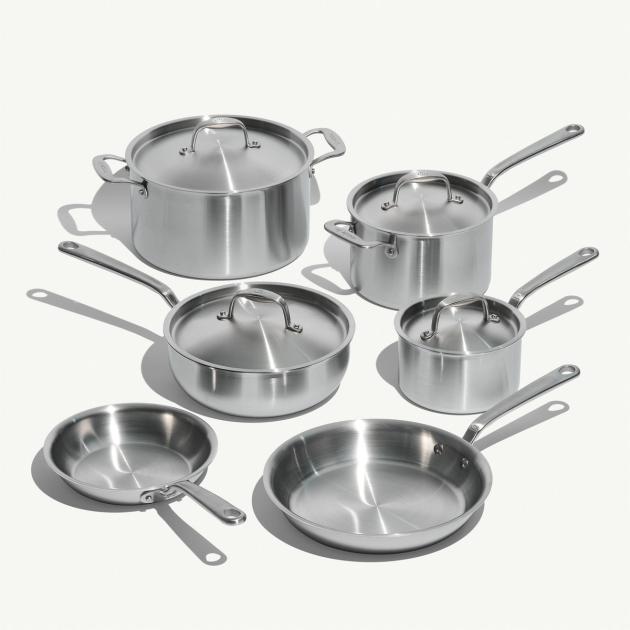
Made In 10-Piece Stainless Clad Cookware Set earns its spot because it gives buyers a practical way to shop for the best cookware without pfas without pretending every kitchen needs the same material. It is best for home cooks who want a durable PFAS-conscious cookware foundation and are willing to learn stainless technique.
Key Features
- Best for: Best Overall Stainless Set
- Material direction: 5-ply stainless clad cookware
- Capacity or set size: 10-piece set
- Verified product notes: Made In lists a 10-piece set with 8-inch and 10-inch frying pans, 2-quart and 4-quart saucepans, a 3-quart saucier, and an 8-quart stock pot. The page describes 5-ply stainless clad construction and oven safety up to 800F.
What Makes It Stand Out
This is the most natural fit if you want to move away from coated nonstick and build around one durable material. Stainless does ask for better heat control than nonstick, but it rewards you with searing, sauce work, and long-term flexibility.
How It Helps Your Kitchen Routine
It suits a home cook who wants one serious cookware foundation for eggs with enough fat, sauteed vegetables, pan sauces, pasta, soups, and family dinners. The set is broad enough to replace several mismatched pans without pushing you into ceramic-coating care rules.
How to Use It
Preheat gently, add oil after the pan is warm, and let proteins release before forcing them. For sticky foods, lower heat and patience matter more than scrubbing later.
Pros and Cons
Pros:
- Broad set composition for a full kitchen reset
- Stainless cooking surface avoids PFAS-style nonstick coating reliance
- Strong choice for searing, sauces, and daily cooking
Cons:
- More expensive than basic stainless sets
- Not as effortless for eggs as a fresh ceramic-coated pan
- Handwashing is preferred
Customer Feedback Snapshot
Buyers usually value stainless clad cookware for heat control, durability, and a more professional feel. The complaints to watch are weight, learning curve, and price.
Best For
Home cooks who want a durable pfas-conscious cookware foundation and are willing to learn stainless technique.
2. All-Clad D3 Stainless 10-Piece Cookware Set

All-Clad D3 Stainless 10-Piece Cookware Set earns its spot because it gives buyers a practical way to shop for the best cookware without pfas without pretending every kitchen needs the same material. It is best for buyers who want a classic stainless set and value track record over trendier PFAS-free cookware marketing.
Key Features
- Best for: Best Premium Classic
- Material direction: Tri-ply bonded stainless steel
- Capacity or set size: 10-piece set
- Verified product notes: All-Clad lists an 8-inch fry pan, 10-inch fry pan, 2-quart and 3-quart saucepans with lids, 3-quart saute pan with lid, and 8-quart stockpot with lid. The page states stainless steel material, D3 tri-ply bonded construction, induction compatibility, and oven/broiler safety up to 600F.
What Makes It Stand Out
All-Clad D3 is the familiar benchmark for buyers who want a proven stainless set and do not want to gamble on obscure materials. It is not marketed as a soft nonstick replacement; it is a serious stainless kit for people who cook often.
How It Helps Your Kitchen Routine
This set fits kitchens where dinner includes browned proteins, pasta, vegetables, stockpot meals, and sauces. It is especially useful if you want one cookware style that works across gas, electric, and induction.
How to Use It
Use low to medium heat more often than high heat. Stainless steel holds heat well, so overheating is a common beginner mistake.
Pros and Cons
Pros:
- Trusted stainless cookware line with clear specifications
- Good spread of pan sizes for everyday cooking
- Induction compatible and oven/broiler safe to the listed limit
Cons:
- Premium price
- Handles and weight may not suit every cook
- Requires stainless technique for sticky foods
Customer Feedback Snapshot
Common buyer priorities are even heating, long lifespan, and whether the set feels worth the cost. People who expect nonstick behavior from stainless are usually less happy.
Best For
Buyers who want a classic stainless set and value track record over trendier pfas-free cookware marketing.
3. Lodge Carbon Steel Skillet

Lodge Carbon Steel Skillet earns its spot because it gives buyers a practical way to shop for the best cookware without pfas without pretending every kitchen needs the same material. It is best for budget-focused cooks who want a PFAS-free skillet and do not mind basic seasoning care.
Key Features
- Best for: Best Affordable PFAS-Free Skillet
- Material direction: Seasoned carbon steel
- Capacity or set size: 8-inch, 10-inch, and 12-inch sizes listed
- Verified product notes: Lodge lists the carbon steel skillet as made in the USA, seasoned with 100% natural vegetable oil, compatible with any stovetop including induction, and nontoxic cookware made without PFAS.
What Makes It Stand Out
Carbon steel is a smart middle ground for shoppers who like the idea of cast iron but want something thinner and quicker to heat. It develops seasoning over time instead of relying on a synthetic nonstick coating.
How It Helps Your Kitchen Routine
Use it for eggs once seasoned well, breakfast potatoes, sauteed greens, fish, steaks, and outdoor cooking. It rewards regular use, but it needs drying and oiling after washing.
How to Use It
Hand wash, dry promptly, and apply a light film of oil. Do not leave it soaking in the sink, and expect the surface to darken as seasoning builds.
Pros and Cons
Pros:
- Clear manufacturer statement that it is made without PFAS
- More affordable than many full cookware sets
- Works indoors and outdoors
Cons:
- Requires seasoning maintenance
- Can rust if neglected
- Not a full set by itself
Customer Feedback Snapshot
The happiest buyers tend to enjoy cookware that improves with care. The least happy buyers usually wanted dishwasher-safe nonstick convenience.
Best For
Budget-focused cooks who want a pfas-free skillet and do not mind basic seasoning care.
4. Caraway Ceramic Cookware Set
Product image note: An exact official product image was not reliably accessible during this run. Check the official product page for current photos, set pieces, and care details.
Caraway Ceramic Cookware Set earns its spot because it gives buyers a practical way to shop for the best cookware without pfas without pretending every kitchen needs the same material. It is best for buyers who want PFAS-conscious cookware with a familiar nonstick feel and are willing to use gentle care.
Key Features
- Best for: Best Ceramic-Coated Set
- Material direction: Ceramic-coated cookware
- Capacity or set size: Set composition varies by bundle
- Verified product notes: The Caraway product page was not fully fetchable during this run, so this review avoids unverified dimensions and set-specific claims. Caraway is included for shoppers specifically comparing ceramic-coated PFAS-conscious cookware, and buyers should confirm current set pieces and care guidance on the official product page before purchasing.
What Makes It Stand Out
Caraway is useful if you want a smoother cooking surface than stainless but are trying to avoid traditional PTFE-style nonstick. The trade-off is that ceramic-coated cookware usually needs gentler heat, softer utensils, and more careful cleaning.
How It Helps Your Kitchen Routine
It fits eggs, pancakes, delicate vegetables, and lower-heat weeknight cooking. It is less ideal if you regularly sear hard at high heat or toss pans into the dishwasher without thinking.
How to Use It
Use low to medium heat, avoid metal utensils, and let the pan cool before washing. Treat it like a coating you want to preserve, not like indestructible stainless.
Pros and Cons
Pros:
- Good fit for shoppers who still want an easier-release surface
- More approachable for eggs than stainless or carbon steel
- Strong visual appeal for modern kitchens
Cons:
- Coating longevity depends heavily on care
- Official product details should be rechecked before buying
- Not the best choice for high-heat searing
Customer Feedback Snapshot
Ceramic-coated cookware feedback usually centers on the early nonstick feel versus how the coating ages. Read recent buyer reviews with that timeline in mind.
Best For
Buyers who want pfas-conscious cookware with a familiar nonstick feel and are willing to use gentle care.
5. Xtrema Ceramic Cookware
Product image note: An exact official product image was not reliably accessible during this run. Check the official product page for current photos, set pieces, and care details.
Xtrema Ceramic Cookware earns its spot because it gives buyers a practical way to shop for the best cookware without pfas without pretending every kitchen needs the same material. It is best for careful cooks who specifically want a ceramic-material approach and are comfortable reading care instructions closely.
Key Features
- Best for: Best Pure Ceramic Direction
- Material direction: Ceramic cookware
- Capacity or set size: Varies by piece or set
- Verified product notes: The specific Xtrema product page redirected during this run, so this review keeps details general and directs readers to confirm the exact piece, size, and current disclosures on the official site.
What Makes It Stand Out
Pure ceramic cookware is the most different option in this list. It appeals to buyers who want to avoid metal cooking surfaces and synthetic nonstick coatings, but it also requires accepting more fragility and a different cooking feel.
How It Helps Your Kitchen Routine
It can work for simmering, warming, braising, and gentler stovetop cooking. It is not the obvious choice if you are rough on cookware or want the fast response of stainless or carbon steel.
How to Use It
Avoid thermal shock, follow the brand care instructions closely, and handle ceramic pieces with more care than metal pans.
Pros and Cons
Pros:
- Useful for shoppers who specifically want ceramic rather than metal
- Avoids the standard PTFE-style nonstick lane
- Can fit slow, gentle cooking routines
Cons:
- Can be more fragile than metal cookware
- Specific product details must be verified on the official page
- Usually not the easiest everyday skillet for every cook
Customer Feedback Snapshot
Buyers should focus on reports about durability, heating behavior, and whether the cookware fits their stovetop and cleaning habits.
Best For
Careful cooks who specifically want a ceramic-material approach and are comfortable reading care instructions closely.
6. 360 Cookware 6-Piece Stainless Steel Cookware Set
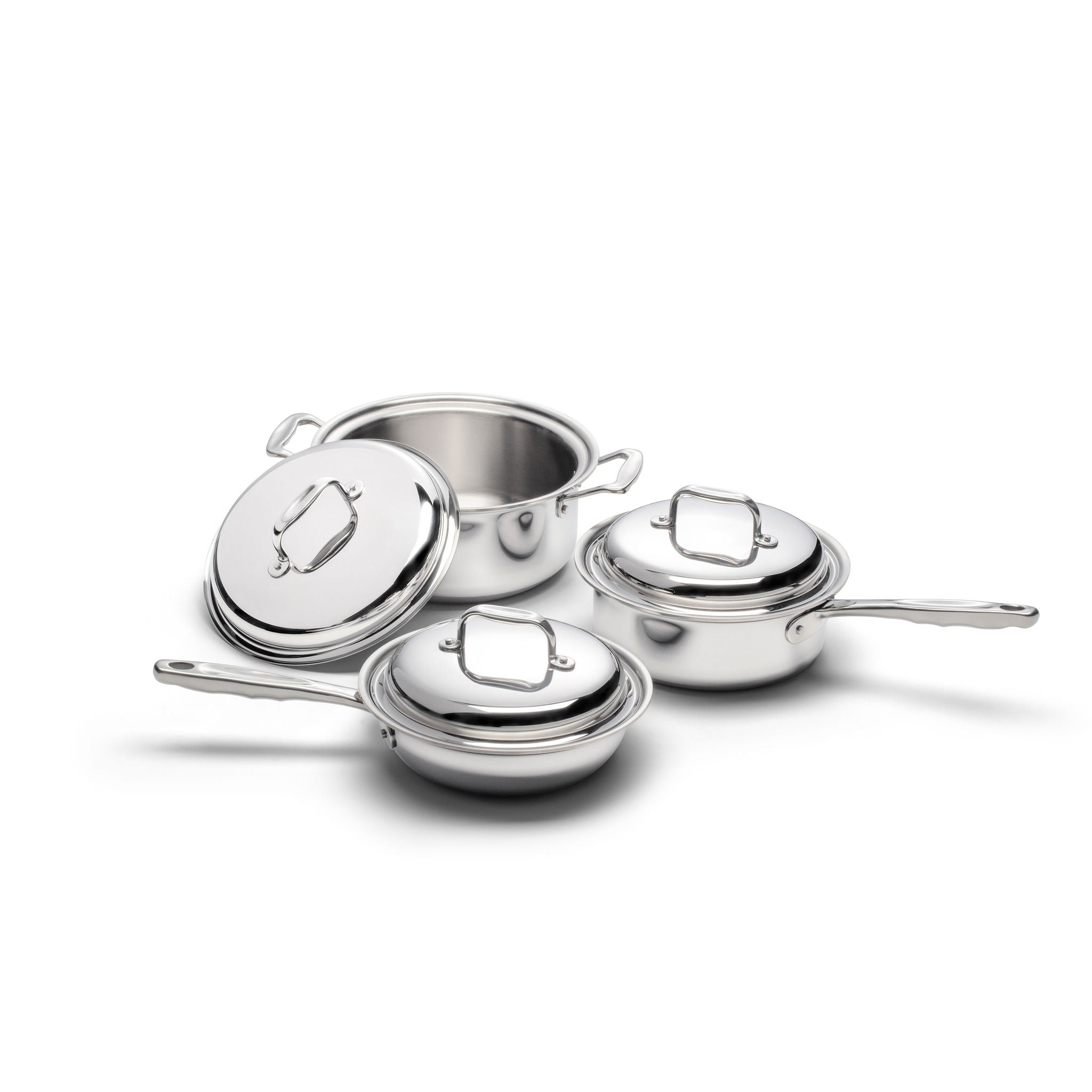
360 Cookware 6-Piece Stainless Steel Cookware Set earns its spot because it gives buyers a practical way to shop for the best cookware without pfas without pretending every kitchen needs the same material. It is best for buyers who want a smaller PFAS-conscious stainless set and are curious about waterless-style cooking.
Key Features
- Best for: Best Waterless-Style Stainless Set
- Material direction: Stainless steel cookware
- Capacity or set size: 6-piece starter set
- Verified product notes: 360 Cookware lists a 6-piece stainless steel cookware set with fry pan, saucepan, and stock pot pieces and describes 360 Vapor technology for waterless-style cooking.
What Makes It Stand Out
This is a better fit if a full 10-piece set feels excessive. It keeps the PFAS-conscious angle in stainless steel while giving buyers a smaller set that can cover core cooking jobs.
How It Helps Your Kitchen Routine
It works for a cook who wants fewer pieces, more controlled stovetop cooking, and an alternative to coated nonstick. The smaller format is useful if you are upgrading gradually.
How to Use It
Follow the brand guidance for vapor cooking, keep heat controlled, and avoid assuming it behaves like coated nonstick.
Pros and Cons
Pros:
- Smaller set than many full stainless bundles
- Good fit for buyers who like waterless-style cooking
- Stainless surface avoids reliance on PFAS-type nonstick coating
Cons:
- Less broad than 10-piece cookware sets
- Waterless cooking has a learning curve
- Price may feel high for the piece count
Customer Feedback Snapshot
The key feedback pattern to watch is whether buyers actually use the vapor-cooking method or default back to standard stainless techniques.
Best For
Buyers who want a smaller pfas-conscious stainless set and are curious about waterless-style cooking.
How These PFAS-Conscious Cookware Picks Compare
Stainless steel is the most durable, least fussy long-term direction if you are comfortable learning heat control. That is why Made In, All-Clad, and 360 Cookware all make sense in this article. If you want a broader set comparison, read our best stainless steel cookware sets guide after this one.
Carbon steel is better if you want a skillet that can develop a naturally seasoned cooking surface. Lodge is the clearest budget-friendly skillet here because the product page specifically lists it as made without PFAS. If you are deciding between carbon steel and stainless, our carbon steel vs stainless steel cookware comparison will help.
Ceramic-coated cookware is the compromise for people who still want an easier-release surface. It can be more comfortable for eggs and delicate foods than stainless, but it usually requires gentler care. For a ceramic-specific angle, see our best ceramic cookware sets guide.
How to Choose Cookware Without PFAS
Start With the Material, Not the Marketing
PFAS avoidance is not only about finding a product page that says the right words. It is about understanding what cooking surface you are actually buying. Stainless steel, carbon steel, and cast iron-style seasoned surfaces avoid the traditional PTFE nonstick lane. Ceramic-coated cookware can also be PFAS-conscious, but coating durability and exact disclosures matter.
Decide How Much Nonstick Feel You Really Need
If you cook eggs every morning and hate sticking, a ceramic-coated pan may feel easier at first. If you mostly cook vegetables, soups, sauces, pasta, and proteins, stainless can be more durable. If you like skillets that develop character over time, carbon steel may be the better emotional and practical fit.
Be Honest About Care Habits
PFAS-conscious cookware is not automatically low-maintenance. Stainless needs heat control. Carbon steel needs drying and oiling. Ceramic coatings need gentle utensils and lower heat. Pure ceramic requires careful handling. Choose the material you will care for correctly, not the one that sounds best in a product description.
Avoid Overclaiming Health Benefits
Choosing cookware without PFAS can be a sensible risk-reduction step, especially if you are replacing worn or overheated nonstick pans. But cookware is only one part of a healthy kitchen. Ingredients, cooking methods, ventilation, food safety, and long-term habits matter too. The EPA notes that PFAS are persistent chemicals and that exposure to some PFAS may be linked to harmful health effects, but that does not mean every cookware decision should be treated like a medical claim.
Is Cookware Without PFAS Worth It?
For many buyers, yes, especially if your current nonstick pans are scratched, old, or used over high heat. The biggest benefit is not fear. It is peace of mind and material clarity. Stainless, carbon steel, cast iron-style surfaces, and some ceramic options give you alternatives to traditional coated nonstick while still covering normal meals.
The trade-off is that you may need to adjust how you cook. If you want a broader cookware starting point, our best non-toxic cookware sets article compares a wider group of healthy-kitchen cookware options. If you only need one pan, the best non-toxic frying pan guide may be the tighter match.
Common Mistakes to Avoid
- Assuming every “ceramic” pan lasts like stainless steel.
- Buying stainless cookware and then using too much heat too quickly.
- Choosing a full set when one skillet or saucepan would solve the actual problem.
- Ignoring care instructions for carbon steel or ceramic-coated cookware.
- Treating “PFAS-free” as a guarantee that the pan is perfect for every cooking style.
- Forgetting to verify current product disclosures before buying.
- Keeping scratched, worn nonstick pans around after buying better replacements.
Final Recommendation
If you want the strongest all-around answer, start with a stainless steel set like Made In or All-Clad. If you want a lower-cost skillet that clearly avoids PFAS and can build a seasoned surface, Lodge Carbon Steel is the most practical single-pan pick. If easy release matters more than maximum lifespan, Caraway is the ceramic-coated option to compare carefully.
The best cookware without pfas is not the same for every kitchen. Your best choice depends on whether you value durability, easy release, lower maintenance, smaller set size, or material simplicity. Buy the cookware that matches how you actually cook, then care for it well enough that it stays useful.
Frequently Asked Questions
What cookware materials are usually best for avoiding PFAS?
Stainless steel, carbon steel, cast iron-style seasoned cookware, and pure ceramic are usually the clearest directions because they do not rely on traditional PTFE-style nonstick coatings. Ceramic-coated cookware can also be a PFAS-conscious option when the brand clearly states its coating disclosures, but buyers should read current product pages and care guidance before purchasing.
Is stainless steel cookware PFAS-free?
Plain stainless steel cookware does not use a traditional PFAS nonstick coating on the cooking surface. That is why stainless is one of the most common recommendations for shoppers trying to move away from coated nonstick. The trade-off is that stainless requires better heat control and enough fat or liquid for certain foods.
Is ceramic cookware better than stainless steel?
It depends on what you cook. Ceramic-coated cookware is often easier for eggs, pancakes, and delicate foods when the coating is new and well cared for. Stainless steel is usually more durable, better for searing and pan sauces, and less dependent on coating longevity. For long-term value, stainless often wins. For easy release, ceramic can feel friendlier.
Does PFAS-free cookware mean non-toxic cookware?
Not automatically. PFAS-free is one important claim, but it is not the only safety or quality factor. You still need to consider material, heat limits, coatings, manufacturing disclosures, care instructions, and how the cookware is used. Be cautious with broad “non-toxic” language unless the brand provides clear details.
Should I throw away all my old nonstick pans?
If a nonstick pan is badly scratched, peeling, warped, or frequently overheated, replacing it is a reasonable step. You do not need to panic-buy a whole new kitchen at once. Start with the pan you use most often, such as a skillet or saucepan, and replace pieces gradually with materials you understand and will maintain.
What is the easiest cookware without PFAS for beginners?
For beginners, ceramic-coated cookware is usually easiest for release, while stainless steel is better for durability once you learn heat control. Carbon steel can be excellent, but it needs seasoning habits. A beginner who wants less maintenance may prefer stainless for most meals and one ceramic-coated pan for eggs.