Are Silicone Air Fryer Liners Safe? What Buyers Should Know
Are Silicone Air Fryer Liners Safe? What Buyers Should Know
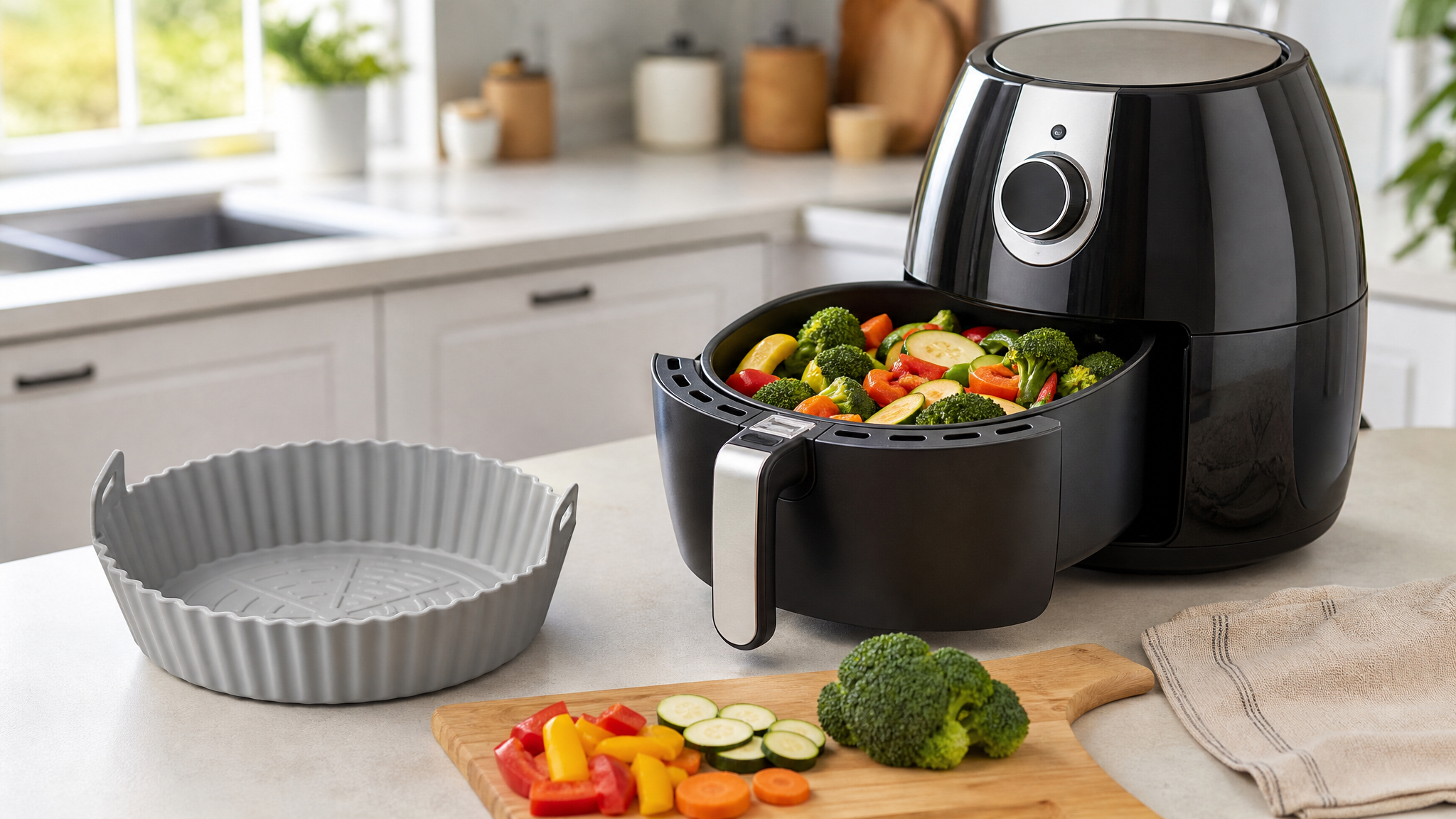
If you are wondering are silicone air fryer liners safe, the practical answer is yes, they can be safe when you buy a food-contact liner, stay within the listed heat limit, keep it away from direct heating elements, and avoid blocking too much airflow. The concern is not that every silicone liner is dangerous. The concern is that cheap, poorly documented, or badly fitted liners can create avoidable problems.
That matters because air fryers cook with fast-moving hot air. A liner that fits badly can soften crisp foods, trap grease, or lift toward the heating element. A liner with vague material claims can also leave buyers guessing about whether it is suitable for repeated food contact at air-fryer temperatures. This guide keeps the answer cautious, practical, and useful for real kitchens.
Quick Answer: Are Silicone Air Fryer Liners Safe?
Silicone air fryer liners are generally reasonable to use when the product is clearly sold for food contact, has a stated heat rating that covers your cooking temperature, fits your basket without touching the heating element, and is cleaned between uses. They are not a free pass to ignore the air fryer manual, overcrowd the basket, or use unknown silicone products in high heat.
The safest buyer mindset is simple: treat a silicone liner as an accessory, not as a protective shield. It can make cleanup easier, especially with sticky marinades or oily vegetables, but it should not interfere with the appliance design. If you are comparing liner types, the earlier guide to silicone vs parchment air fryer liners explains the texture and cleanup trade-offs in more detail.
Safety Checklist Before You Buy
| What to check | Why it matters | Safer choice |
|---|---|---|
| Food-contact wording | The liner touches your food directly. | Look for clear food-grade or food-contact language, not vague “premium silicone” claims. |
| Heat rating | Air fryers often run hot, commonly around 350F to 400F. | Choose a liner rated above the temperatures you normally use. |
| Basket fit | Poor fit can crowd food or block airflow. | Match the basket shape and measure before buying. |
| Perforations or raised channels | Airflow drives browning and crisping. | Prefer designs that leave room for hot air to move. |
| No strong odor after washing | A persistent smell is a reason to be cautious. | Wash before first use and stop using if odor remains during cooking. |
| Cleaning practicality | Old grease residue can smoke or flavor food. | Pick a liner you will actually wash properly. |
What Food-Grade Silicone Means in Plain English
Food-grade silicone is a broad buyer phrase, not a magic label. In practical terms, it should mean the material is intended for repeated contact with food under the conditions described by the seller. In the United States, the FDA regulates food contact substances, and the federal rules include requirements for rubber articles intended for repeated use. Those rules are technical, but the buyer takeaway is straightforward: claims should be specific enough that you can understand the intended use.
If a listing gives no temperature range, no food-contact language, and no sensible instructions, I would skip it. The safest liner is not necessarily the thickest or most expensive one. It is the one with clear use instructions, a heat rating that matches your cooking, and a shape that does not fight the air fryer basket.
How Silicone Liners Can Go Wrong
They can block airflow
Air fryers work because hot air moves around the food. A deep silicone bowl or solid mat can reduce that movement, especially on the bottom of fries, nuggets, chicken pieces, tofu, or vegetables. That does not automatically make the liner unsafe, but it can lead to softer food and longer cooking times. If you compensate by running hotter or longer, you may dry out food or push the accessory closer to its practical limit.
They can trap oil and moisture
Silicone is useful because it catches drips. That same strength can become a weakness with wet foods. If oil, marinade, or water pools inside the liner, food may steam instead of crisp. Grease left behind can also smoke the next time you cook. This is why cleaning matters more with reusable liners than with disposable parchment.
They can be poorly documented
The biggest safety red flag is uncertainty. If a liner does not clearly say it is intended for air fryers, food contact, and high-heat cooking, the buyer is left guessing. I would not use random silicone mats, craft silicone, or baking accessories in an air fryer unless the manufacturer clearly supports that use.
How to Use Silicone Air Fryer Liners More Safely
- Wash the liner before first use, then let it dry fully.
- Check the heat limit and stay below it.
- Do not let the liner touch the heating element or fan area.
- Do not preheat an empty lightweight liner if it can shift or lift.
- Keep food in a single loose layer when crisping matters.
- Use less oil than you think you need, then add more only if the recipe needs it.
- Wash away grease after every use, especially after wings, sausage, fish, or marinades.
- Stop using the liner if it becomes sticky, cracked, brittle, misshapen, or strongly odorous.
Good liner habits also protect the appliance itself. If residue builds up around the basket or tray, follow a real cleaning routine rather than scraping aggressively. The site guide on how to clean an air fryer properly is useful here because harsh scrubbing can damage baskets and coatings.
Are Silicone Liners Safer Than Parchment Liners?
Neither material is automatically safer in every situation. Silicone is reusable and less likely to fly around than a loose parchment sheet, but it can block more airflow and must be washed. Parchment is thin and convenient, but loose paper can lift toward a heating element if used incorrectly, especially during preheating.
For safety, the better question is: which liner are you more likely to use correctly? If you often cook saucy foods and hate scrubbing, a well-fitting silicone liner may be the safer routine because it reduces baked-on residue. If you mostly cook crisp frozen foods, perforated parchment may preserve airflow better and reduce the urge to overcook.
What About Chemicals, Odors, and Heat?
Silicone cookware and bakeware have been widely used for years, but buyers should still be thoughtful. Government sources describe silicone as a synthetic rubber used in cookware and bakeware, and Health Canada notes that food-grade silicone bakeware has become popular because it cools quickly and tolerates extreme temperatures. At the same time, Canadian researchers have continued studying silicone bakeware to better understand potential releases under typical use. That is a good reminder not to treat marketing claims as the same thing as careful use.
In everyday buyer terms, avoid liners that smell strongly after washing, discolor quickly, or provide no useful use instructions. Also avoid using a liner above its stated temperature limit. If the manufacturer says hand wash only, do not assume dishwasher cleaning is fine. If the seller does not give a heat rating, choose a clearer product.
Will a Silicone Liner Damage an Air Fryer Basket?
A silicone liner should not scratch a basket the way metal tools can, but the wrong liner can still create problems. If it traps grease, blocks drainage, crowds the basket, or encourages you to ignore cleaning, the basket may get dirtier over time. If it fits so tightly that it rubs against surfaces or interferes with the tray, it is the wrong size.
This matters more if you bought an air fryer partly for coating concerns. Guides like best air fryers with ceramic coating and best stainless steel air fryers cover appliance materials, but liners still need their own common-sense checks. A safer basket material does not make a poor accessory automatically safe.
Best Foods to Cook With a Silicone Air Fryer Liner
| Food type | Silicone liner fit | Why |
|---|---|---|
| Marinated chicken pieces | Good | Catches sticky sauce and reduces baked-on residue. |
| Vegetables with oil or seasoning | Good | Keeps small pieces and seasoning from sticking to the basket. |
| Fish fillets | Good with care | Can make delicate foods easier to lift, but avoid pooling liquid. |
| Fries and frozen snacks | Mixed | Convenient, but may soften bottom crisping. |
| Breaded foods | Mixed | Can reduce airflow if the liner is too solid or crowded. |
| Pizza reheating | Usually not ideal | A thin parchment sheet often keeps the crust crisper. |
When I Would Skip a Silicone Liner
I would skip silicone when the goal is maximum crisping, when the food already releases cleanly, or when the liner makes the basket feel crowded. I would also skip it in any air fryer where the manual warns against liners or accessories that block airflow. The manual wins over generic internet advice.
If your bigger question is whether air frying itself supports healthier eating, start with Are Air Fryers Actually Healthy?. A liner can make the tool easier to use, but healthier cooking still comes from ingredients, portions, cooking habits, and realistic routines.
Buyer Guidance: What I Would Choose
For most people, I would choose one well-fitting, clearly heat-rated silicone liner only if messy cleanup is a recurring problem. I would prefer a liner with raised ribs or airflow channels over a deep smooth bowl if crisping still matters. I would also keep perforated parchment liners around for quick crisp foods.
The broader accessory lesson is to buy only what solves a real cooking problem. The guide to air fryer accessories every cook needs can help separate genuinely useful add-ons from clutter. A silicone liner earns its spot when it makes you cook at home more often without making food worse.
Frequently Asked Questions
Are silicone air fryer liners safe for high heat?
They can be, but only when the liner has a stated heat rating that covers your cooking temperature. Do not assume every silicone product belongs in an air fryer. Check the instructions and stay within the listed limit.
Can silicone air fryer liners melt?
A properly rated liner used within its temperature range should not melt during normal use. Melting risk rises if the liner touches a heating element, is used above its rating, or is not actually designed for air fryer cooking.
Do silicone liners make food less crispy?
Sometimes. Deep or solid silicone liners can reduce airflow and hold moisture around food. Perforated designs, raised channels, and not overcrowding the basket can help, but parchment or no liner may still crisp better for some foods.
Should I preheat an air fryer with a silicone liner inside?
Follow the liner and appliance instructions. If the liner is lightweight or could shift, avoid preheating it empty. Add it with food so it stays in place and does not move toward hot components.
How often should silicone air fryer liners be washed?
Wash them after every use. Grease and marinade residue can smoke, smell, or transfer flavor to the next meal. Let the liner cool first, then clean it according to the manufacturer instructions.
Are cheap silicone liners worth buying?
Only if the listing is clear about food-contact use, heat rating, size, and care instructions. If the product page is vague, it is better to choose a better-documented liner or skip silicone entirely.
Conclusion
So, are silicone air fryer liners safe? They can be safe and useful when they are food-contact accessories, properly heat-rated, well fitted, and cleaned after each use. They are best for messy foods, sticky sauces, and buyers who want less basket scrubbing.
They are not the best choice for every meal. If you care most about crisp fries, breaded foods, or fast no-wash convenience, perforated parchment or no liner may work better. The safest final recommendation is practical: buy a clearly documented liner, use it within its limits, and let airflow and the appliance manual guide the decision.