Are Plastic Blender Jars Safe? What Buyers Need to Know
Are Plastic Blender Jars Safe? What Buyers Need to Know
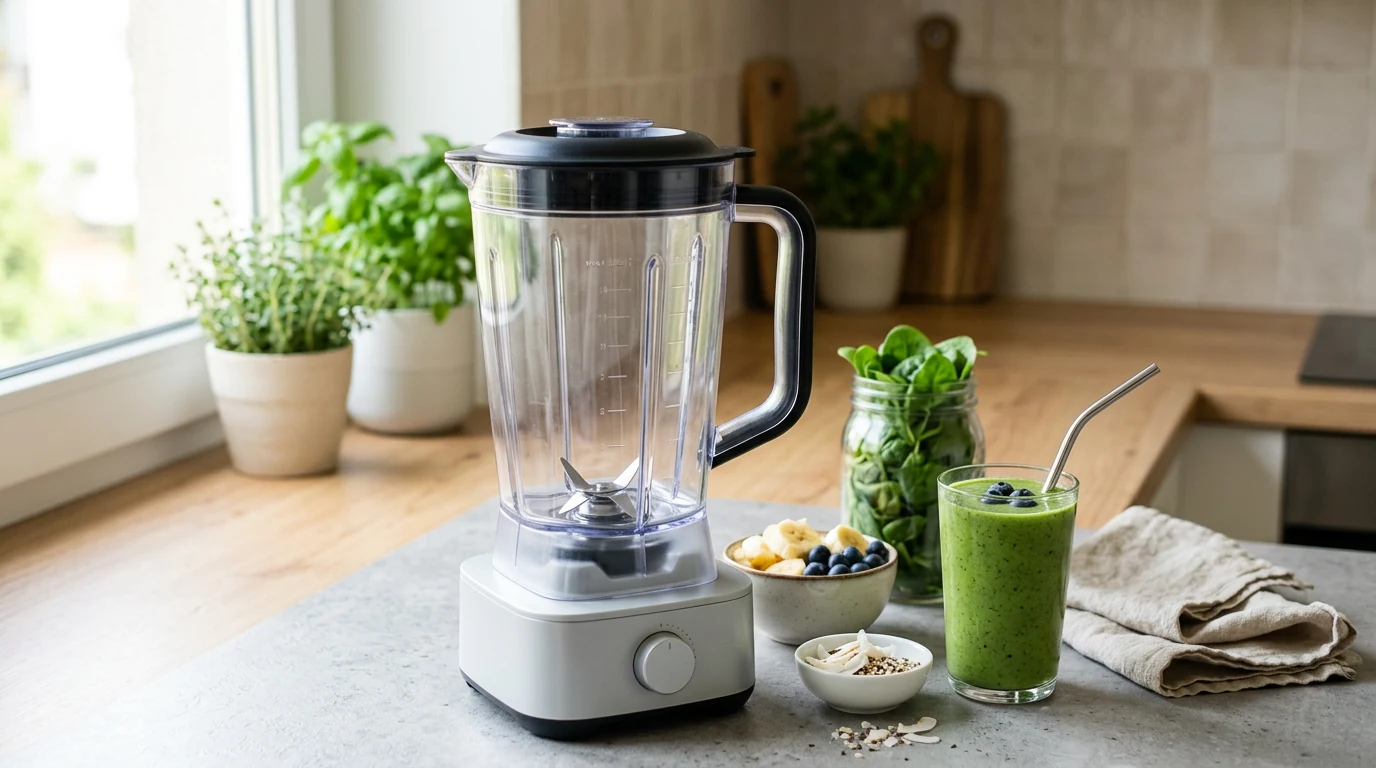
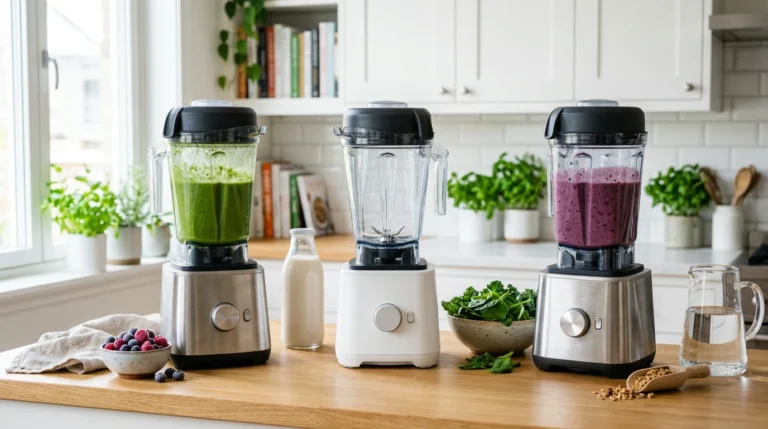
Are plastic blender jars safe? For most home kitchens, a modern plastic blender jar can be a reasonable choice when it is made for food contact, used within the manufacturer’s limits, and replaced when it becomes badly scratched, cloudy, cracked, or heat-damaged. The real answer is not that plastic is always good or always bad. It depends on the material, heat exposure, wear, cleaning habits, and what you expect from the blender.
That nuance matters because many shoppers are trying to choose between a lighter plastic pitcher and a heavier glass jar. Plastic jars are common on high-powered blenders because they are lighter, less likely to shatter, and easier to lift when full. But buyers still have fair questions about BPA, odor retention, micro-scratches, hot liquids, dishwasher heat, and long-term wear.
Quick Answer: Are Plastic Blender Jars Safe for Everyday Use?
Yes, plastic blender jars are generally safe for everyday blending when they are designed for food use and you follow the use instructions. A blender pitcher is not automatically unsafe because it is plastic. The bigger safety questions are whether the jar is BPA-free or otherwise approved for food contact, whether it is being exposed to heat beyond its intended range, and whether the surface is damaged enough that replacement makes sense.
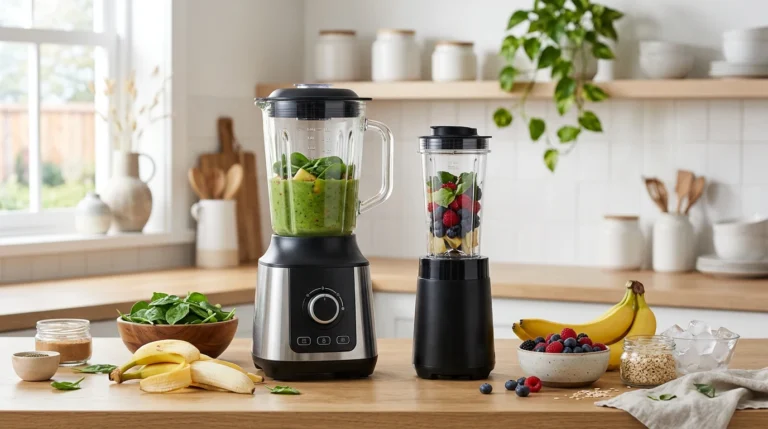
For smoothies, protein shakes, frozen fruit, sauces, and everyday cold or room-temperature blending, a good plastic jar is often practical. For boiling soups, very hot liquids, turmeric-heavy recipes, tomato sauces, and long-term stain resistance, glass may feel more reassuring.
What Plastic Blender Jars Are Usually Made From
Most modern plastic blender jars are made from durable clear plastics such as Tritan-style copolyester or polycarbonate-like materials, depending on the brand and model. Many current consumer blenders advertise BPA-free pitchers, but the exact material is not always easy to confirm from a product page. If material safety is a priority, look for a clear statement from the manufacturer rather than relying on marketplace copy alone.
The U.S. Food and Drug Administration regulates food-contact substances, and BPA has specific FDA guidance for food-contact applications. That does not mean every plastic item should be treated casually, but it does mean the better question is whether a specific jar is intended for food contact and used correctly.
BPA-Free Does Not Mean Indestructible
BPA-free is useful information, but it is not the whole story. It means the product is not made with bisphenol A as a listed material component, or at least that the manufacturer is representing it that way. It does not mean the jar can handle boiling liquid, aggressive dishwasher cycles, metal utensils, abrasive pads, freezer abuse, or years of deep scratches without consequences.
Think of BPA-free as a starting point, not a full safety guarantee. The safer buying habit is to combine BPA-free material claims with practical use: avoid overheating the jar, do not scrape it with metal, clean it gently, and replace it when wear becomes obvious.
When Plastic Blender Jars Make Sense
- You blend mostly cold smoothies. Plastic works well for frozen fruit, greens, protein shakes, ice, and normal room-temperature ingredients.
- You want a lighter pitcher. A full glass jar can feel heavy, especially for seniors or anyone with hand or wrist discomfort.
- You use a high-powered blender. Many premium high-speed blenders use plastic jars because they are lighter and less shatter-prone than glass.
- You have kids or a busy kitchen. Plastic is less likely to break if it bumps the counter or sink.
- You value convenience. Plastic pitchers are often easier to lift, pour, and clean quickly after a smoothie.
When Glass May Be the Better Choice
Glass can make sense if your biggest concerns are odor resistance, staining, and the feel of a non-plastic surface. It is also appealing for shoppers who blend tomato-based sauces, spice-heavy marinades, or strongly colored ingredients and dislike cloudy plastic over time.
The trade-off is weight and breakage risk. Glass jars can chip or shatter if dropped, and many high-powered blender brands avoid glass for safety and engineering reasons. If you often make thick smoothie bowls, crush ice, or want a powerful blender for daily use, the available high-performance models may lean plastic whether you prefer it or not.
Heat Is the Safety Detail Shoppers Miss
The most important practical rule is simple: do not assume a plastic blender jar is safe for boiling-hot liquids unless the manufacturer clearly says it is. Hot liquids can build pressure, soften certain materials, stain the jar, or create a burn risk if the lid lifts during blending. Even with glass, hot blending requires care.
If you make soup, let ingredients cool before blending unless your blender is specifically designed for hot liquids. Start at low speed, vent carefully if the manual allows it, and never fill the jar too high. Safety here is about burns as much as plastic.
Scratches, Cloudiness, and Odors: When to Replace the Jar
A few light cosmetic marks are normal. A heavily scratched, cloudy, smelly, cracked, warped, or sticky-feeling jar is different. Deep scratches can trap residue and make cleaning harder. Cracks near the blade assembly or handle can become a leak or failure point. Persistent odors may also tell you the surface has absorbed food oils or spices.
Replace the jar if it has cracks, leaks, rough internal gouges, warping near the base, a lid that no longer seals properly, or stains and odors that do not improve with normal cleaning. Replacement jars are often cheaper than replacing the entire blender, but confirm compatibility with the exact model.
How to Use Plastic Blender Jars More Safely
- Check the manual first. Use the jar within the temperature, dishwasher, and fill-limit guidance from the manufacturer.
- Let hot foods cool. Unless hot blending is clearly supported, avoid boiling liquids in a plastic pitcher.
- Rinse right away. Smoothie residue, nut butter, protein powder, turmeric, and tomato can cling if allowed to dry.
- Avoid abrasive cleaning. Skip steel wool and harsh scouring pads that can rough up the surface.
- Do not use metal tools inside the jar. A silicone spatula is kinder to plastic than a spoon or knife.
- Replace damaged parts. Cracked jars, loose lids, worn gaskets, and leaking blade assemblies are not worth stretching.
Plastic vs Glass Blender Jars: Safety and Practicality
| Factor | Plastic Jar | Glass Jar |
|---|---|---|
| Weight | Lighter and easier to lift | Heavier, especially when full |
| Breakage | Less likely to shatter | Can chip or break if dropped |
| Staining | Can stain or cloud over time | Usually resists stains better |
| Odors | May retain strong smells | Typically easier to deodorize |
| Hot liquids | Use only if clearly supported | Still requires care, but feels more reassuring to some buyers |
| High-power blending | Common on powerful blenders | Less common in high-speed designs |
For a deeper material comparison, see our guide to glass vs plastic blender jars. If you are comparing brands, the jar material question also comes up in Vitamix vs Blendtec and Ninja vs NutriBullet.
What to Look for Before Buying a Plastic Blender Jar
- BPA-free statement: Prefer brands that state this clearly on the product page or manual.
- Replacement jar availability: A replaceable pitcher extends the useful life of the blender.
- Clear cleaning guidance: Dishwasher-safe claims should come from the manufacturer, not only from a reseller listing.
- Strong lid design: A secure lid matters for smoothies, hot ingredients, and messy blends.
- Blade assembly access: Residue around the blade area can affect cleaning and odor control.
- Realistic size: Bigger jars are useful, but oversized pitchers can be harder to clean and store.
Who Should Be More Cautious?
Be more cautious if you regularly blend hot soups, use strongly staining ingredients, have a very old jar with visible wear, or are buying a secondhand blender with an unknown history. Also be cautious with off-brand replacement jars where food-contact material details are unclear. A cheap replacement jar that does not fit correctly can create leaks, blade alignment problems, or lid issues.
Families making baby food may also prefer extra caution. A plastic jar can still be practical, but if the jar is scratched, stained, or old, replacing it before making food for infants is a sensible move. You can also compare options in our guide to best glass jar blenders if you prefer to avoid plastic pitchers entirely.
Bottom Line: Should You Avoid Plastic Blender Jars?
You do not need to automatically avoid plastic blender jars. For most smoothie and meal-prep routines, a modern BPA-free plastic jar from a reputable blender brand is practical, lighter, and less fragile than glass. The key is to treat it as a wear item. Use it within its limits, avoid unnecessary heat, clean it gently, and replace it when the surface or seal is no longer in good shape.
If your main concern is long-term staining, odors, or minimizing plastic contact, glass is worth considering. If your main concern is high-powered blending, lighter handling, and everyday convenience, plastic may be the better fit.
Frequently Asked Questions
Are BPA-free plastic blender jars safe?
BPA-free plastic blender jars are generally considered appropriate for normal food use when made by a reputable manufacturer and used as directed. BPA-free does not mean heat-proof, scratch-proof, or permanent, so condition and proper use still matter.
Is it safe to put hot soup in a plastic blender jar?
Only if the blender manual clearly allows hot liquids. Otherwise, let the soup cool before blending. Hot liquids can create pressure and burn risk, and some plastic jars are not intended for very hot ingredients.
Do plastic blender jars release chemicals into smoothies?
A food-contact plastic jar used for cold smoothies should not be treated as automatically unsafe. Risk concerns rise with heat, severe wear, poor-quality unknown materials, and misuse. If a jar is badly scratched, cracked, or warped, replace it.
Are glass blender jars healthier than plastic?
Glass is not automatically healthier, but it resists odors and stains well and avoids direct plastic contact. Plastic is lighter and less breakable. The better choice depends on how you blend and what trade-offs matter most in your kitchen.
How often should you replace a plastic blender jar?
There is no universal replacement schedule. Replace it when you see cracks, leaks, warping, deep scratches, persistent odors, cloudy rough surfaces, or a lid/base connection that no longer feels secure.