Best Non-Toxic Stock Pots: 6 Safer Picks for Soup, Pasta, and Batch Cooking
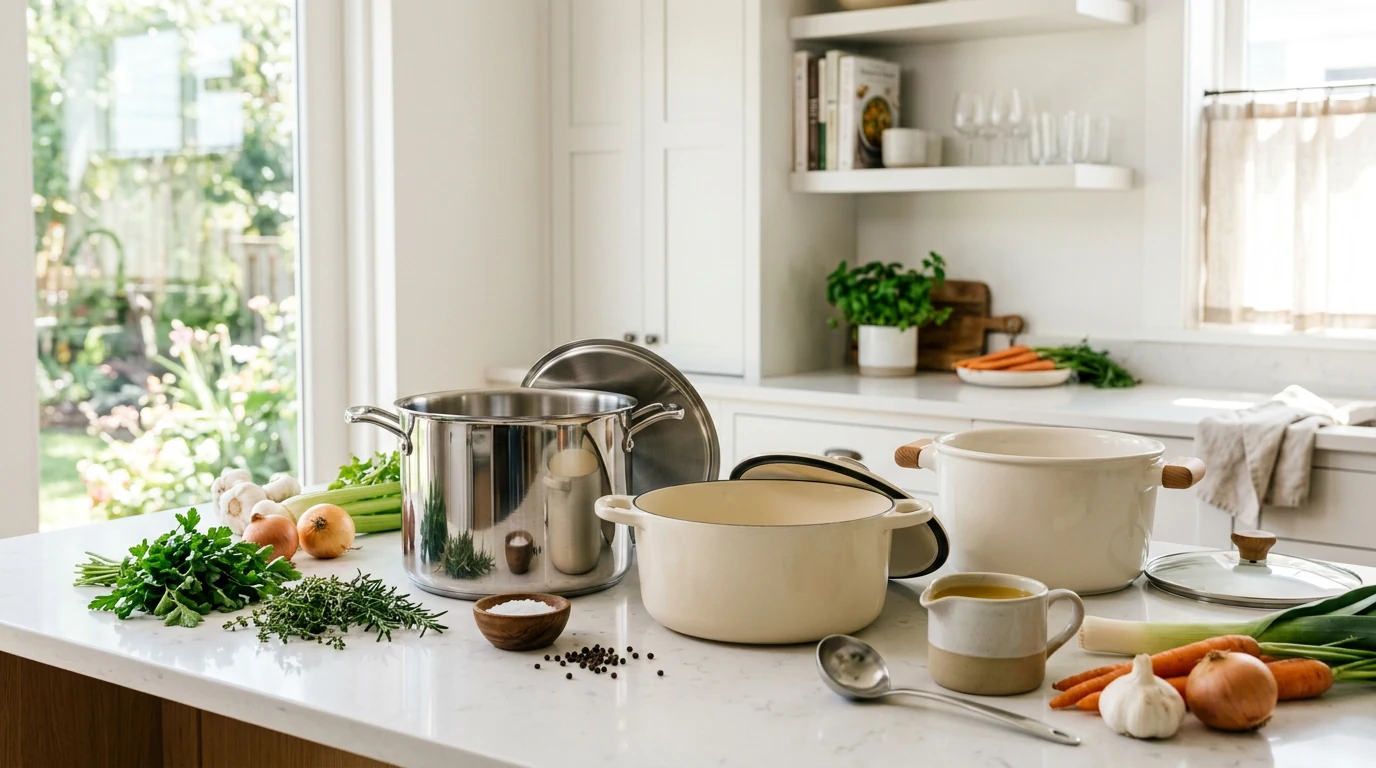
Choosing the best non-toxic stock pots is different from choosing a saucepan or a full cookware set. A stock pot is the piece you reach for when the meal gets bigger: pasta water, soup, beans, bone broth, chili, corn on the cob, or a freezer batch of lentils. That means size matters, but so does the surface touching your food.
The tricky part is that “non-toxic” is not one single material. For stock pots, it usually means uncoated stainless steel, pure ceramic, or ceramic-coated nonstick that avoids PFAS-style forever chemicals. Each route has trade-offs. Stainless is durable and coating-free. Ceramic nonstick is easier to clean but needs gentler use. Premium titanium-stainless surfaces can be excellent, but they cost more.
This guide keeps the claims cautious and practical. I’m not treating any pot as magically “safe for everyone.” Instead, the focus is on materials, realistic cooking habits, cleanup, and which pot makes sense for the way you actually cook. Disclosure: This article may contain affiliate links. If you buy through them, Healthy Kitchen Reviews may earn a commission at no extra cost to you.
Quick Comparison Table
| Rank | Product | Best For | Capacity | Key Feature | CTA |
|---|---|---|---|---|---|
| 1 | All-Clad D3 Stainless Steel Stockpot | Best overall stainless steel stock pot | 8 quarts | Uncoated stainless cooking surface and sturdy covered stockpot format. | View on Amazon |
| 2 | Made In Stainless Clad Stock Pot | Best premium-feeling workhorse | 8 quarts | A large stock-pot shape for batch cooking with an uncoated stainless cooking surface. | View on Amazon |
| 3 | Hestan NanoBond Titanium Stockpot | Best luxury nonreactive surface | Available in more than one size; the accessible Hestan page lists a new 6-quart size and stockpot sizing options. | Hestan describes NanoBond as nonreactive, dishwasher safe, metal-utensil safe, and highly scratch resistant. | View on Amazon |
| 4 | GreenPan Valencia Pro Ceramic Nonstick Stockpot | Best ceramic nonstick option | 8 quarts, based on available product listing information for the Valencia Pro stockpot. | GreenPan states that its stockpots follow the brand's PFAS-free cookware standard. | View on Amazon |
| 5 | Caraway Ceramic-Coated Stock Pot | Best design-forward ceramic-coated pick | Not clearly specified from the accessible page during this run. | A modern, easy-to-clean style aimed at buyers who want a cleaner-looking alternative to older nonstick cookware. | View on Amazon |
| 6 | 360 Cookware Stainless Steel Stock Pot | Best made-in-USA stainless option | 8 quarts, based on the 360 Cookware stock pot listing title. | A covered stock pot format for soups, broths, vegetables, and larger batches. | View on Amazon |
Our Top Picks
- Best Overall: All-Clad D3 Stainless Steel Stockpot because stainless steel is durable, coating-free, and versatile.
- Best Premium Pick: Hestan NanoBond Titanium Stockpot for buyers who want a refined, nonreactive surface.
- Best Ceramic Nonstick: GreenPan Valencia Pro Ceramic Nonstick Stockpot for easier cleanup with PFAS-free ceramic nonstick positioning.
- Best Design Pick: Caraway Ceramic-Coated Stock Pot for a cleaner modern kitchen look.
- Best Made-in-USA Stainless Option: 360 Cookware Stainless Steel Stock Pot for shoppers comparing domestic stainless cookware.
Detailed Reviews of the Best Non-Toxic Stock Pots
1. All-Clad D3 Stainless Steel Stockpot
All-Clad D3 Stainless Steel Stockpot is ranked here as the best overall stainless steel stock pot. It is the safest default recommendation for buyers who want to avoid nonstick coatings and still get a durable everyday pot for pasta, soup, beans, and broth.
Key Features
- Capacity: 8 quarts
- Material: Bonded stainless steel with an aluminum core, based on All-Clad D3 line information.
- Main buyer benefit: Uncoated stainless cooking surface and sturdy covered stockpot format.
- Source note: Product reference
What Makes It Stand Out
The useful difference is how it handles long, wet cooking. Stock pots are often used with acidic tomatoes, salty broth, starch-heavy pasta water, and long simmer times. All-Clad D3 Stainless Steel Stockpot stands out because it gives buyers a clear material path instead of relying only on trendy health language.
How It Helps Your Kitchen Routine
A good stock pot earns its space by making bigger cooking easier. It should let you cook enough soup for leftovers, boil pasta without crowding, prep broth without babysitting a tiny pan, and clean up without making the whole task feel like a chore.
How to Use It
Use a stock pot for high-moisture cooking first: soup, stew, pasta, beans, broth, blanching vegetables, and batch sauces. With stainless steel, preheat gently and avoid letting salty water sit for long periods after cooking. With ceramic-coated nonstick, use moderate heat and softer utensils to protect the coating.
Pros and Cons
Pros:
- Useful for best overall stainless steel stock pot.
- Fits the healthier-kitchen goal better than older, worn, mystery-coated cookware.
- Works for the larger cooking jobs where a saucepan is too small.
Cons:
- Stainless steel is not naturally nonstick, so it needs preheating, enough liquid or fat, and patient cleaning.
- May be too large if you mainly cook single servings.
- Exact compatibility details should be confirmed on the product page before purchase.
Customer Feedback Snapshot
For this category, the buyer feedback worth paying attention to is practical: whether the pot feels stable when full, how the handles feel with oven mitts, whether food residue releases easily, and whether the lid fit feels secure. Star ratings alone are less useful than comments about weight, cleaning, and everyday use.
Best For
This pick is best for shoppers who want best overall stainless steel stock pot and are comfortable with the material trade-offs described above.
2. Made In Stainless Clad Stock Pot
Made In Stainless Clad Stock Pot is ranked here as the best premium-feeling workhorse. It fits the buyer who wants one serious pot for chili, soups, pasta water, steamed vegetables, and weekend prep without moving into coated cookware.
Key Features
- Capacity: 8 quarts
- Material: Stainless clad construction, based on Made In's stainless cookware positioning.
- Main buyer benefit: A large stock-pot shape for batch cooking with an uncoated stainless cooking surface.
- Source note: Product reference
What Makes It Stand Out
The useful difference is how it handles long, wet cooking. Stock pots are often used with acidic tomatoes, salty broth, starch-heavy pasta water, and long simmer times. Made In Stainless Clad Stock Pot stands out because it gives buyers a clear material path instead of relying only on trendy health language.
How It Helps Your Kitchen Routine
A good stock pot earns its space by making bigger cooking easier. It should let you cook enough soup for leftovers, boil pasta without crowding, prep broth without babysitting a tiny pan, and clean up without making the whole task feel like a chore.
How to Use It
Use a stock pot for high-moisture cooking first: soup, stew, pasta, beans, broth, blanching vegetables, and batch sauces. With stainless steel, preheat gently and avoid letting salty water sit for long periods after cooking. With ceramic-coated nonstick, use moderate heat and softer utensils to protect the coating.
Pros and Cons
Pros:
- Useful for best premium-feeling workhorse.
- Fits the healthier-kitchen goal better than older, worn, mystery-coated cookware.
- Works for the larger cooking jobs where a saucepan is too small.
Cons:
- It may feel like more pot than a small household needs if you rarely batch cook.
- May be too large if you mainly cook single servings.
- Exact compatibility details should be confirmed on the product page before purchase.
Customer Feedback Snapshot
For this category, the buyer feedback worth paying attention to is practical: whether the pot feels stable when full, how the handles feel with oven mitts, whether food residue releases easily, and whether the lid fit feels secure. Star ratings alone are less useful than comments about weight, cleaning, and everyday use.
Best For
This pick is best for shoppers who want best premium-feeling workhorse and are comfortable with the material trade-offs described above.
3. Hestan NanoBond Titanium Stockpot
Hestan NanoBond Titanium Stockpot is ranked here as the best luxury nonreactive surface. It is the upgrade pick for cooks who want a resilient surface, a polished look, and fewer worries about acidic ingredients in long-simmered sauces or soups.
Key Features
- Capacity: Available in more than one size; the accessible Hestan page lists a new 6-quart size and stockpot sizing options.
- Material: Molecular titanium over stainless-clad cookware, with a ProCore aluminum layer described by Hestan.
- Main buyer benefit: Hestan describes NanoBond as nonreactive, dishwasher safe, metal-utensil safe, and highly scratch resistant.
- Source note: Product reference
What Makes It Stand Out
The useful difference is how it handles long, wet cooking. Stock pots are often used with acidic tomatoes, salty broth, starch-heavy pasta water, and long simmer times. Hestan NanoBond Titanium Stockpot stands out because it gives buyers a clear material path instead of relying only on trendy health language.
How It Helps Your Kitchen Routine
A good stock pot earns its space by making bigger cooking easier. It should let you cook enough soup for leftovers, boil pasta without crowding, prep broth without babysitting a tiny pan, and clean up without making the whole task feel like a chore.
How to Use It
Use a stock pot for high-moisture cooking first: soup, stew, pasta, beans, broth, blanching vegetables, and batch sauces. With stainless steel, preheat gently and avoid letting salty water sit for long periods after cooking. With ceramic-coated nonstick, use moderate heat and softer utensils to protect the coating.
Pros and Cons
Pros:
- Useful for best luxury nonreactive surface.
- Fits the healthier-kitchen goal better than older, worn, mystery-coated cookware.
- Works for the larger cooking jobs where a saucepan is too small.
Cons:
- The price is the obvious trade-off, and most buyers do not need this level of cookware to make good soup.
- May be too large if you mainly cook single servings.
- Exact compatibility details should be confirmed on the product page before purchase.
Customer Feedback Snapshot
For this category, the buyer feedback worth paying attention to is practical: whether the pot feels stable when full, how the handles feel with oven mitts, whether food residue releases easily, and whether the lid fit feels secure. Star ratings alone are less useful than comments about weight, cleaning, and everyday use.
Best For
This pick is best for shoppers who want best luxury nonreactive surface and are comfortable with the material trade-offs described above.
4. GreenPan Valencia Pro Ceramic Nonstick Stockpot
GreenPan Valencia Pro Ceramic Nonstick Stockpot is ranked here as the best ceramic nonstick option. It makes sense for cooks who want easier release for soups, sauces, and starchy foods but still want to avoid traditional PTFE-style nonstick.
Key Features
- Capacity: 8 quarts, based on available product listing information for the Valencia Pro stockpot.
- Material: Ceramic nonstick over hard-anodized aluminum in the Valencia Pro line.
- Main buyer benefit: GreenPan states that its stockpots follow the brand's PFAS-free cookware standard.
- Source note: Product reference
What Makes It Stand Out
The useful difference is how it handles long, wet cooking. Stock pots are often used with acidic tomatoes, salty broth, starch-heavy pasta water, and long simmer times. GreenPan Valencia Pro Ceramic Nonstick Stockpot stands out because it gives buyers a clear material path instead of relying only on trendy health language.
How It Helps Your Kitchen Routine
A good stock pot earns its space by making bigger cooking easier. It should let you cook enough soup for leftovers, boil pasta without crowding, prep broth without babysitting a tiny pan, and clean up without making the whole task feel like a chore.
How to Use It
Use a stock pot for high-moisture cooking first: soup, stew, pasta, beans, broth, blanching vegetables, and batch sauces. With stainless steel, preheat gently and avoid letting salty water sit for long periods after cooking. With ceramic-coated nonstick, use moderate heat and softer utensils to protect the coating.
Pros and Cons
Pros:
- Useful for best ceramic nonstick option.
- Fits the healthier-kitchen goal better than older, worn, mystery-coated cookware.
- Works for the larger cooking jobs where a saucepan is too small.
Cons:
- Ceramic nonstick is still a coating, and it usually benefits from lower heat, gentle utensils, and careful cleaning.
- May be too large if you mainly cook single servings.
- Exact compatibility details should be confirmed on the product page before purchase.
Customer Feedback Snapshot
For this category, the buyer feedback worth paying attention to is practical: whether the pot feels stable when full, how the handles feel with oven mitts, whether food residue releases easily, and whether the lid fit feels secure. Star ratings alone are less useful than comments about weight, cleaning, and everyday use.
Best For
This pick is best for shoppers who want best ceramic nonstick option and are comfortable with the material trade-offs described above.
5. Caraway Ceramic-Coated Stock Pot
Caraway Ceramic-Coated Stock Pot is ranked here as the best design-forward ceramic-coated pick. It is a good fit if you care about kitchen aesthetics and want one large pot that can move from weeknight soup to meal-prep batches without looking industrial.
Key Features
- Capacity: Not clearly specified from the accessible page during this run.
- Material: Ceramic-coated nonstick cookware, based on Caraway's cookware positioning.
- Main buyer benefit: A modern, easy-to-clean style aimed at buyers who want a cleaner-looking alternative to older nonstick cookware.
- Source note: Product reference
What Makes It Stand Out
The useful difference is how it handles long, wet cooking. Stock pots are often used with acidic tomatoes, salty broth, starch-heavy pasta water, and long simmer times. Caraway Ceramic-Coated Stock Pot stands out because it gives buyers a clear material path instead of relying only on trendy health language.
How It Helps Your Kitchen Routine
A good stock pot earns its space by making bigger cooking easier. It should let you cook enough soup for leftovers, boil pasta without crowding, prep broth without babysitting a tiny pan, and clean up without making the whole task feel like a chore.
How to Use It
Use a stock pot for high-moisture cooking first: soup, stew, pasta, beans, broth, blanching vegetables, and batch sauces. With stainless steel, preheat gently and avoid letting salty water sit for long periods after cooking. With ceramic-coated nonstick, use moderate heat and softer utensils to protect the coating.
Pros and Cons
Pros:
- Useful for best design-forward ceramic-coated pick.
- Fits the healthier-kitchen goal better than older, worn, mystery-coated cookware.
- Works for the larger cooking jobs where a saucepan is too small.
Cons:
- Because the product page was not accessible for full verification in this run, exact specs should be confirmed before buying.
- May be too large if you mainly cook single servings.
- Exact compatibility details should be confirmed on the product page before purchase.
Customer Feedback Snapshot
For this category, the buyer feedback worth paying attention to is practical: whether the pot feels stable when full, how the handles feel with oven mitts, whether food residue releases easily, and whether the lid fit feels secure. Star ratings alone are less useful than comments about weight, cleaning, and everyday use.
Best For
This pick is best for shoppers who want best design-forward ceramic-coated pick and are comfortable with the material trade-offs described above.
6. 360 Cookware Stainless Steel Stock Pot
360 Cookware Stainless Steel Stock Pot is ranked here as the best made-in-usa stainless option. It belongs on the shortlist for shoppers who prefer uncoated stainless cookware and want to compare domestic cookware brands before choosing.
Key Features
- Capacity: 8 quarts, based on the 360 Cookware stock pot listing title.
- Material: Stainless steel cookware positioned for waterless-style cooking.
- Main buyer benefit: A covered stock pot format for soups, broths, vegetables, and larger batches.
- Source note: Product reference
What Makes It Stand Out
The useful difference is how it handles long, wet cooking. Stock pots are often used with acidic tomatoes, salty broth, starch-heavy pasta water, and long simmer times. 360 Cookware Stainless Steel Stock Pot stands out because it gives buyers a clear material path instead of relying only on trendy health language.
How It Helps Your Kitchen Routine
A good stock pot earns its space by making bigger cooking easier. It should let you cook enough soup for leftovers, boil pasta without crowding, prep broth without babysitting a tiny pan, and clean up without making the whole task feel like a chore.
How to Use It
Use a stock pot for high-moisture cooking first: soup, stew, pasta, beans, broth, blanching vegetables, and batch sauces. With stainless steel, preheat gently and avoid letting salty water sit for long periods after cooking. With ceramic-coated nonstick, use moderate heat and softer utensils to protect the coating.
Pros and Cons
Pros:
- Useful for best made-in-usa stainless option.
- Fits the healthier-kitchen goal better than older, worn, mystery-coated cookware.
- Works for the larger cooking jobs where a saucepan is too small.
Cons:
- The official page did not load cleanly during this run, so secondary details should be checked before purchase.
- May be too large if you mainly cook single servings.
- Exact compatibility details should be confirmed on the product page before purchase.
Customer Feedback Snapshot
For this category, the buyer feedback worth paying attention to is practical: whether the pot feels stable when full, how the handles feel with oven mitts, whether food residue releases easily, and whether the lid fit feels secure. Star ratings alone are less useful than comments about weight, cleaning, and everyday use.
Best For
This pick is best for shoppers who want best made-in-usa stainless option and are comfortable with the material trade-offs described above.
How These Non-Toxic Stock Pots Compare
The strongest divide is between uncoated stainless steel and ceramic-coated nonstick. Stainless steel is the more durable, traditional choice. It has no nonstick layer to wear away, handles high-moisture cooking well, and can last for years with normal care. The trade-off is that it is less forgiving if you expect food to slide around like it would on a coated surface.
Ceramic-coated stock pots are easier for some cooks because they can release starchy residue and sauces with less scrubbing. That convenience is real, but it comes with care rules. Lower heat, non-metal utensils, and hand washing often help preserve the coating. If you already know you are rough on cookware, stainless steel is usually the calmer long-term buy.
For smaller daily cooking, the related Best Non-Toxic Saucepan guide may be a better fit. If you are choosing a whole set instead of one large pot, compare the broader Best Stainless Steel Cookware Sets, Best Ceramic Cookware Sets, and Best Cookware Without PFAS guides before buying.
How to Choose the Best Non-Toxic Stock Pots
Start With the Material, Not the Marketing
The word non-toxic can become too vague to be useful. Ask what the cooking surface actually is. Uncoated stainless steel is different from ceramic-coated aluminum, and both are different from pure ceramic or titanium-stainless cookware. The best choice depends on whether you value durability, easy release, low-maintenance cleaning, or coating-free construction most.
Choose the Right Capacity
An 8-quart stock pot is a practical sweet spot for many households because it can handle pasta, soup, chili, and broth without feeling enormous. Smaller households may prefer 6 quarts. Large families, meal preppers, and broth makers may want more. The mistake is buying a pot so large that it becomes awkward to lift, wash, and store.
Think About Weight When Full
A stock pot can feel reasonable empty and heavy once it is full of soup or water. Look at handle shape, lid fit, and whether the pot feels manageable for your sink and stove. This matters even more for older adults or anyone who dislikes lifting heavy cookware.
Match the Pot to Your Stove
If you use induction, confirm induction compatibility before buying. Stainless steel cookware is often induction-friendly, but not every pot is. Ceramic-coated aluminum may need a magnetic base. Gas and electric ranges are usually more flexible, but a flat base still helps with even heating.
Be Careful With Health Claims
PFAS concerns are real enough that buyers are right to pay attention, but cookware marketing can oversimplify the issue. The EPA describes PFAS as a large group of persistent chemicals, often called “forever chemicals.” For cookware, that means it is reasonable to prefer uncoated stainless steel or brands that clearly state PFAS-free ceramic coatings, while still avoiding absolute claims like “100% safe.” See the EPA PFAS overview for broader background.
Are Non-Toxic Stock Pots Worth It for Healthy Cooking?
Yes, if the pot makes home cooking easier and reduces your reliance on worn or questionable cookware. A reliable stock pot can help you cook beans from scratch, make lower-sodium broth, batch soup for lunches, and prep vegetables in larger amounts. That can support healthier habits, but the pot itself does not make a meal healthy.
If your current concern is avoiding older PTFE-style cookware, the Best Cookware Without Teflon article is worth reading alongside this one. If your concern is broader PFAS exposure, start with Best Cookware Without PFAS and then choose the specific pot size that fits your cooking.
Frequently Asked Questions
What is the safest material for a stock pot?
For most buyers, uncoated stainless steel is the most straightforward low-maintenance choice because there is no nonstick coating to wear away. Pure ceramic and high-quality ceramic-coated cookware can also fit certain buyers, but each has its own care rules.
Are ceramic-coated stock pots non-toxic?
They can be a better fit than older nonstick cookware when the brand clearly states PFAS-free ceramic nonstick, but ceramic coatings are still coatings. Use moderate heat and gentle utensils, and replace the pot if the surface becomes badly damaged.
Is stainless steel better than ceramic nonstick for soup?
Stainless steel is usually better for durability and long simmering. Ceramic nonstick may be easier to clean after starchy soups or sauces, but it usually needs gentler care.
What size stock pot should most families buy?
Many households do well with an 8-quart stock pot. It is large enough for soup, pasta, chili, and batch cooking without becoming as awkward as very large commercial-style pots.
Can a stock pot help with healthier cooking?
It can help indirectly by making home cooking, broth, beans, vegetables, and meal prep easier. The health value still depends on ingredients, portions, and how often you cook at home.
Final Recommendation
The best non-toxic stock pots for most people will be an uncoated stainless steel pot in a practical 6- to 8-quart size. That is why the All-Clad D3 stainless stockpot is the easiest overall recommendation. If you want a premium nonreactive surface, Hestan NanoBond is the upgrade pick. If easy cleanup matters more than maximum durability, GreenPan Valencia Pro and Caraway are the ceramic-coated options to compare carefully.
The best final choice is not the one with the loudest safety claim. It is the pot you will actually use for soup, pasta, beans, broth, and leftovers without dreading cleanup or worrying about a worn-out cooking surface.