What Is the Safest Air Fryer Basket Material? A Practical Buyer Guide
What Is the Safest Air Fryer Basket Material? A Practical Buyer Guide
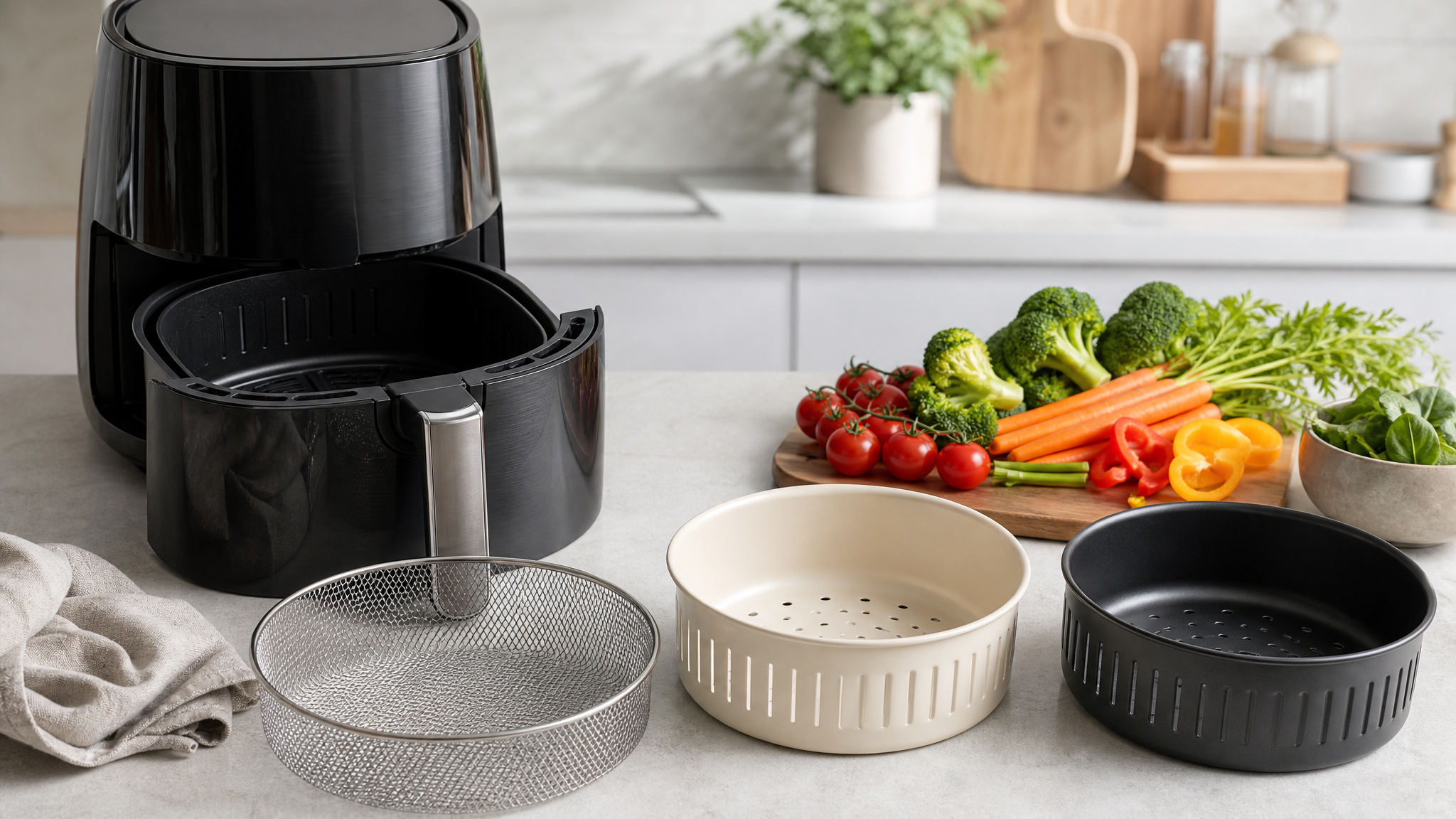
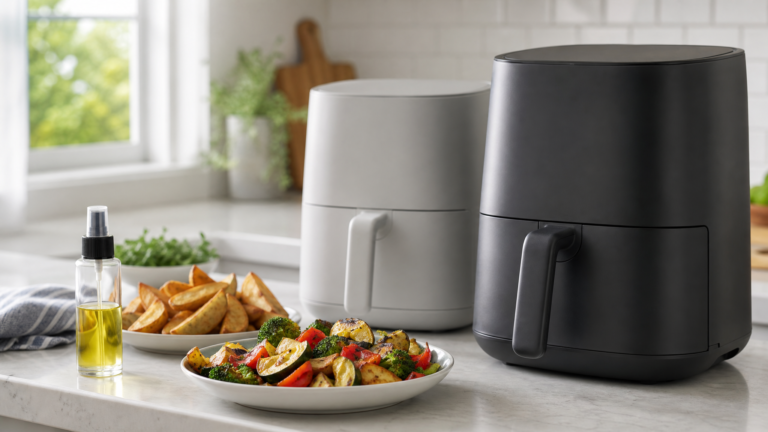
If you are asking what is the safest air fryer basket material, the most practical answer is stainless steel for buyers who want the least coating concern, followed by well-documented ceramic-coated baskets for easier release. Glass can be appealing in some designs, but it is less common and still depends on the appliance construction. Traditional PTFE-style nonstick baskets can be convenient, but they require more care, especially around scratches, overheating, and long-term coating wear.
That does not mean every stainless steel basket is perfect or every nonstick basket is unsafe. Air fryer safety depends on the full design: basket material, coating quality, temperature control, airflow, cleaning habits, and whether the product is used according to the manual. This guide keeps the ranking cautious and buyer-focused, so you can choose a basket material without falling for vague “non-toxic” marketing.
Quick Verdict: Safest Air Fryer Basket Material
For most health-conscious buyers, stainless steel is the safest air fryer basket material to prioritize because it avoids a synthetic nonstick cooking surface and handles regular cleaning well. The trade-off is that food may stick more, and some “stainless steel” air fryers still include plastic housings, coated trays, or mixed-material accessories. Always check the basket and interior details, not just the headline claim.
If you want a shortlist of models built around this idea, start with the site guide to best stainless steel air fryers. If you want easier food release and less sticking, the safer compromise may be a clearly documented ceramic-coated basket from a reputable brand, especially if you avoid metal utensils and replace the basket when the coating wears.
Air Fryer Basket Materials Compared
| Material | Safety profile | Best for | Main caution |
|---|---|---|---|
| Stainless steel | Strongest choice for avoiding coating concerns. | Buyers who want durability and fewer nonstick-surface questions. | Food can stick, and some appliances still use mixed materials. |
| Ceramic-coated basket | Good compromise when coating details are clear. | Buyers who want easier cleanup without traditional slick nonstick. | Coating can still wear, chip, or lose release over time. |
| Glass basket or bowl | Appealing because food touches glass, not a coating. | Buyers who value visibility and simple food-contact surfaces. | Less common, heavier, and dependent on full appliance design. |
| PTFE-style nonstick basket | Convenient but more dependent on careful use. | Buyers who prioritize release and easy cleaning. | Avoid scratching, overheating, and using damaged coatings. |
| Aluminum basket with coating | Common underneath coatings, but not ideal as bare food-contact surface for acidic or salty foods. | Lightweight appliance designs. | Usually relies on coating integrity. |
Why Stainless Steel Usually Wins on Safety
Stainless steel is familiar in cookware because it is durable, heat tolerant, and does not need a slick coating to function. In an air fryer basket, that matters because the basket sees repeated heating, washing, oil residue, salt, and sometimes abrasive cleaning. A stainless surface removes one major worry: you are not relying on a nonstick coating to stay intact over years of use.
The limitation is convenience. Stainless steel can stick more, especially with delicate fish, breaded foods, tofu, and lightly oiled vegetables. It may also brown differently from coated baskets. If you choose stainless steel, plan on preheating when appropriate, using a modest amount of oil, and cleaning promptly instead of letting residue bake on repeatedly.
Ceramic-Coated Baskets: A Good Middle Ground
Ceramic-coated air fryer baskets are popular because they promise easier release while avoiding the most familiar concerns shoppers associate with traditional nonstick coatings. In real buyer terms, they can be a good middle ground. They are usually easier to clean than stainless steel and may feel more reassuring than older nonstick basket designs.
The important word is “coated.” A ceramic-coated basket is not the same thing as a solid ceramic bowl. The coating still needs care. Avoid metal utensils, harsh scrubbers, and stacking accessories that scrape the surface. If ceramic is your preferred direction, compare models in best ceramic basket air fryers and best air fryers with ceramic coating before buying.
Glass Air Fryer Baskets and Bowls
Glass can look like the cleanest food-contact material because it is nonreactive, visible, and easy to understand. A glass bowl-style air fryer can also help buyers see food as it cooks. That said, glass air fryers are a smaller category, and the basket material is only one piece of the product. You still need to consider heating design, lid construction, plastic parts, replacement availability, and how heavy the bowl feels during normal cleanup.
For some shoppers, glass is worth considering if visibility and food-contact simplicity matter more than compact storage or basket-style crisping. The guide to best glass air fryers covers that category more directly.
What About Nonstick Air Fryer Baskets?
Most mainstream basket air fryers use some kind of nonstick coating because it makes cleanup easier and helps food release. That convenience is real. It is also why many people use their air fryer more often than a pan or oven tray. The safety concern is not normal use of an intact basket at reasonable temperatures. The concern is misuse: scratched coating, aggressive scrubbing, overheating, and continuing to cook on a visibly damaged basket.
If you already own a nonstick air fryer, do not panic. Use silicone, wood, or nylon utensils. Avoid abrasive pads. Keep temperatures within the manual guidelines. Replace the basket if the coating is peeling, flaking, or badly scratched. A cautious maintenance routine can matter more than the label on the box.
How FDA Food-Contact Rules Fit Into This
Air fryer basket material claims should be treated as food-contact claims, not wellness claims. The FDA explains that food contact substances include materials that come into contact with food, and federal regulations include sections covering coatings and polymers used in food-contact applications. Those rules are technical, but the buyer lesson is simple: clear, specific material information is better than vague marketing language.
If a brand says only “healthy,” “green,” or “non-toxic” without telling you what the food-contact surface is, that is not enough. Look for plain material language: stainless steel basket, ceramic-coated basket, PTFE-free coating, glass bowl, or manufacturer-specific coating details. Then check the manual for temperature limits, cleaning instructions, and replacement parts.
The Safest Air Fryer Basket Material for Different Buyers
| Buyer priority | Best material direction | Why |
|---|---|---|
| Lowest coating concern | Stainless steel | No synthetic nonstick cooking surface to scratch or wear. |
| Easier cleanup with cautious material choice | Ceramic-coated basket | Better release than stainless, but still needs gentle care. |
| Simple visible food-contact surface | Glass | Appealing for buyers who want to see food and avoid basket coatings. |
| Maximum convenience | Nonstick basket | Easy release and cleanup, but use only while coating is intact. |
| Budget purchase | Depends on documentation | A cheap air fryer is not automatically unsafe, but vague material claims are a reason to pause. |
Red Flags to Avoid When Shopping
- The listing says “non-toxic” but does not identify the basket or coating material.
- The seller avoids temperature limits or cleaning instructions.
- The basket coating looks uneven, thin, or poorly finished in product photos.
- Replacement baskets are not available or hard to identify.
- Reviews repeatedly mention peeling, chemical odor, or coating flakes.
- The manual recommends gentle care, but the marketing implies the basket is nearly indestructible.
- The product uses broad health language without clear food-contact details.
For shoppers who want to avoid coating ambiguity as much as possible, the broader best non-toxic air fryer guide is useful because it focuses on buyer concerns around PFAS, basket coatings, and cleaner material choices.
Cleaning Habits Matter as Much as Material
A safer basket can still become a bad cooking surface if it is neglected. Burned oil residue, stuck breading, old grease, and aggressive scrubbing all reduce the real-world quality of the basket. Stainless steel may tolerate tougher cleaning than coatings, but even stainless steel benefits from prompt soaking and non-abrasive cleaning.
With coated baskets, cleaning discipline matters even more. Let the basket cool, wash it gently, and avoid scraping. If food keeps sticking, do not attack the surface with metal tools. Adjust cooking oil, temperature, or liner use instead.
Should You Use Liners With Safer Basket Materials?
Liners can help protect baskets from sticky foods, but they are not always the answer. Silicone liners may reduce cleanup, yet they can block airflow if they fit poorly. Parchment liners are convenient but should not be preheated loose because lightweight paper can shift. A liner should support the basket, not compensate for a damaged or low-quality basket.
If you are considering reusable liners, read Are Silicone Air Fryer Liners Safe? before relying on them every day. The short version: use food-contact accessories, keep them within heat limits, and do not let them interfere with airflow.
My Practical Recommendation
If I were buying mainly for safety and long-term peace of mind, I would start with stainless steel. It is not the easiest surface, but it is the cleanest answer to the coating question. If I wanted a friendlier daily-use basket for vegetables, fish, and weeknight meals, I would consider ceramic-coated models from brands that clearly explain the coating and offer replacement parts.
I would not make the decision based on one label alone. “Stainless steel interior” can still mean mixed components. “Ceramic” can still mean a coating that needs gentle care. “Non-toxic” can mean almost nothing unless the brand explains the actual food-contact surface. The safest choice is the product with the clearest material story and the least friction in your real kitchen routine.
Frequently Asked Questions
What is the safest air fryer basket material overall?
Stainless steel is usually the safest air fryer basket material for buyers who want to avoid coating concerns. It is durable and does not rely on a nonstick surface, but it may require more oil, better preheating, or more careful cleaning to prevent sticking.
Is ceramic better than nonstick for an air fryer basket?
Ceramic-coated baskets can be a better fit for shoppers who want easier cleanup with fewer traditional nonstick concerns. Still, ceramic coating is still a coating. It should be protected from metal utensils, abrasive cleaning, and continued use after obvious damage.
Are stainless steel air fryer baskets completely non-toxic?
No material should be described in absolute terms. Stainless steel is a strong low-concern choice for food contact, but the full appliance may include other materials, coatings, plastic parts, and accessories. Check the actual basket and interior details.
Should I throw away a scratched nonstick air fryer basket?
If the coating is peeling, flaking, or deeply scratched, replacing the basket is the cautious choice. Light cosmetic wear is different from coating damage that can loosen into food. When in doubt, check the manual or replacement basket options.
Is glass safer than stainless steel in an air fryer?
Glass is appealing because it is easy to understand as a food-contact surface, but glass air fryers are less common and have their own trade-offs, including weight and design limitations. Stainless steel is usually the more practical all-around safety-first choice.
Does basket material affect how healthy air-fried food is?
Basket material affects cooking surface concerns and cleanup, but it does not make food healthy by itself. Ingredients, oil amount, portion size, and cooking frequency matter more for the overall healthfulness of the meal.
Conclusion
The answer to what is the safest air fryer basket material is not complicated, but it does need nuance. Stainless steel is the best starting point if you want to minimize coating concerns. Ceramic-coated baskets are a reasonable compromise when you want easier release and the coating is well documented. Glass can be appealing for visibility and simple food contact, while traditional nonstick baskets require the most careful maintenance.
The final recommendation is this: choose the clearest material, not the loudest marketing claim. A well-built stainless steel or carefully maintained ceramic-coated basket will usually serve a health-conscious kitchen better than a vague “non-toxic” air fryer with no real material details.