Best Quiet Juicers: Low-Noise Cold Press Picks for Peaceful Mornings
Best Quiet Juicers: Low-Noise Cold Press Picks for Peaceful Mornings
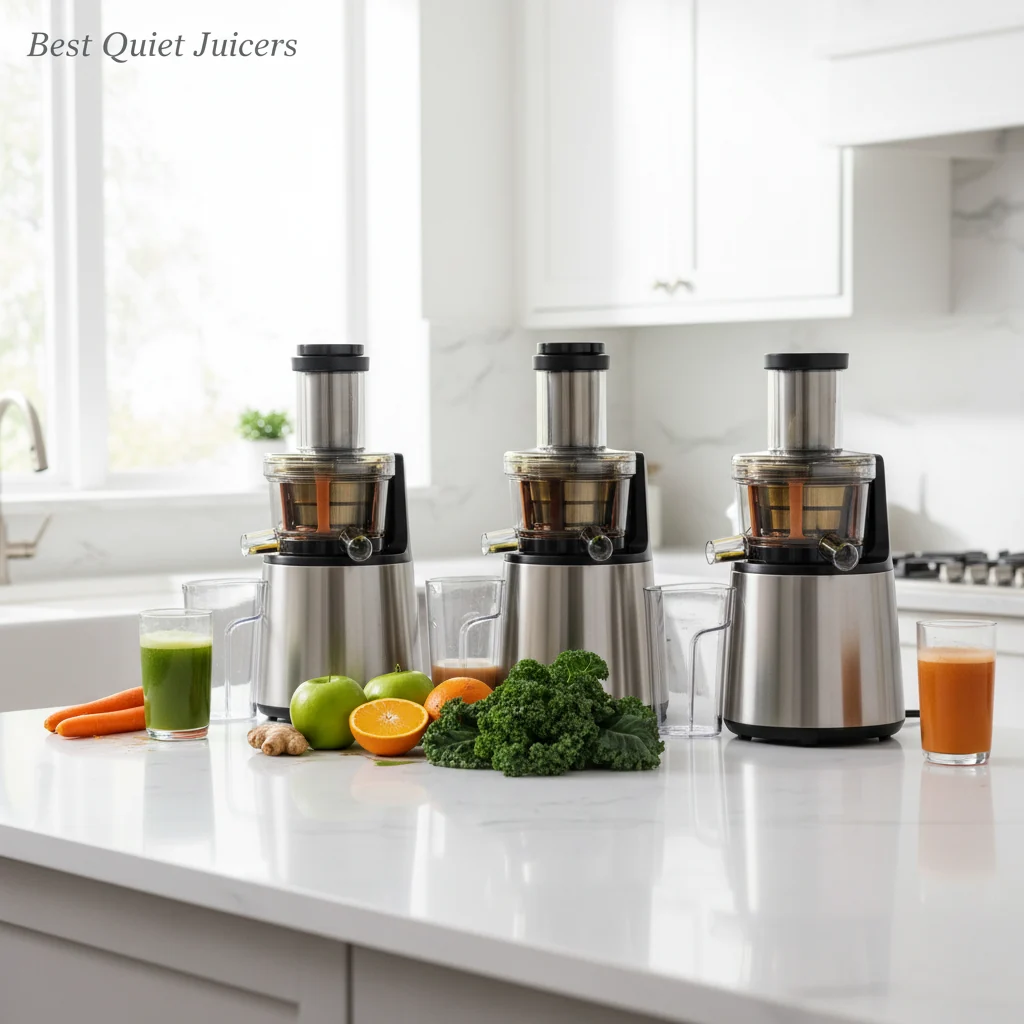
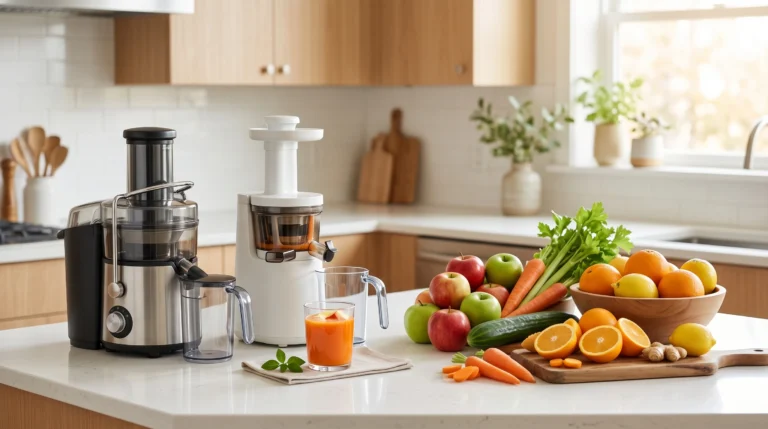
If you are shopping for the best quiet juicers, you probably already know the problem: fresh juice sounds relaxing until a loud machine turns a calm morning into a construction zone. This guide focuses on slow, cold press-style juicers that are better suited to early mornings, apartments, shared homes, and anyone who wants fresh celery, greens, carrots, or citrus without a harsh motor sound taking over the kitchen.
The honest caveat is important. Most juicer brands do not publish standardized decibel ratings, and “quiet” does not mean silent. A slow juicer can still make noise when it crushes hard carrots or fibrous celery. What you are really buying is a calmer operating style, less high-pitched whirring, and a machine that feels more reasonable for daily use. I prioritized real, recognizable slow juicers, practical kitchen fit, cleanup, and buyer trade-offs instead of pretending every product is whisper-silent.
Disclosure: This article may contain affiliate links. If you buy through them, Healthy Kitchen Reviews may earn a commission at no extra cost to you.
Quick Comparison Table
| Rank | Product | Best For | Capacity | Key Feature | CTA |
|---|---|---|---|---|---|
| 1 | Nama J2 Cold Press Juicer | Best Overall | Not clearly specified | Self-feeding hopper; Nama support lists 50 rpm drive/auger speed and 200 W rated power | View on Amazon |
| 2 | Hurom H320 Slow Juicer | Best for Batch Juicing | Not clearly specified | Vertical slow juicer format with large hopper design | View on Amazon |
| 3 | Omega NC900HDC Cold Press Juicer | Best Horizontal Quiet Juicer | Not clearly specified | Omega describes the NC900 line around low-speed cold press and triple-stage masticating extraction | View on Amazon |
| 4 | Kuvings AUTO10 Cold Press Juicer | Best Premium Quiet Juicer | Not clearly specified | Hands-free style cold press juicer concept with auto-cutting/auto-feeding design | View on Amazon |
| 5 | Tribest Slowstar Vertical Slow Juicer | Best Compact Slow Juicer | Not clearly specified | Vertical slow juicer format built around slow extraction | View on Amazon |
Our Top Picks
- Best Overall: Nama J2 Cold Press Juicer, because its self-feeding design makes daily juicing feel calmer and less hands-on.
- Best Budget: Tribest Slowstar, for shoppers who want a vertical slow-juicer format without chasing the most expensive option.
- Best for Families: Hurom H320, because its hopper-focused design suits batch-style juicing better than narrow-feed machines.
- Best Compact Option: Tribest Slowstar, because the vertical footprint is easier to fit into smaller kitchens.
- Best Premium Pick: Kuvings AUTO10, for buyers who want a more automated premium cold press workflow.
Detailed Reviews of the Best Quiet Juicers
1. Nama J2 Cold Press Juicer
Nama J2 Cold Press Juicer is here because it fits the buyer who wants a quieter juicing experience without giving up the slow-juicer advantages that matter for greens, celery, ginger, and everyday produce. I am not treating “quiet” as a magic claim; noise depends on produce texture, assembly, and kitchen acoustics, and most brands do not publish a clear decibel rating. Still, this model belongs in the conversation because its slow-juicing format is naturally better aligned with lower-noise routines than high-speed centrifugal juicing.
Key Features
- Best for: A calm, low-friction juicing routine for people who want less prep
- Capacity: Not clearly specified
- Noise rating: Not clearly specified by the source information used for this workflow.
- Notable feature: Self-feeding hopper; Nama support lists 50 rpm drive/auger speed and 200 W rated power.
What Makes It Stand Out
The main appeal is routine comfort. A juicer can make wonderful juice and still become a problem if it sounds harsh early in the morning, takes too much prep, or turns cleanup into a chore. This pick earns its place because it gives buyers a clear reason to consider it beyond the usual “cold press” label.
How It Helps Your Kitchen Routine
If you juice before work, while someone else is sleeping, or in an apartment kitchen, the quieter feel of a slow juicer can matter as much as yield. The best quiet juicers are not silent, but they should feel calmer and less jarring than a fast centrifugal machine.
How to Use It
Cut produce to the size recommended by the brand, alternate firm and soft ingredients, and do not force produce faster than the auger can process it. That simple rhythm usually helps slow juicers run more smoothly and can reduce strain, clogs, and harsh operating sounds.
Pros and Cons
- Pros: Strong fit for a calmer juicing routine; better aligned with leafy greens than many fast juicers; useful for buyers who value lower morning disruption.
- Cons: Not silent; many exact noise and capacity details are not clearly specified; slow juicers usually require more cleaning attention than simple citrus presses.
Customer Feedback Snapshot
For quiet juicer shoppers, the most useful feedback patterns are usually noise comfort, clogging, cleanup time, and whether the machine feels worth keeping on the counter. If reviews repeatedly mention hard cleanup or pulp jams, that matters almost as much as sound.
Best For
A calm, low-friction juicing routine for people who want less prep. It is less ideal for people who want the fastest possible glass of juice and do not care about sound level.
2. Hurom H320 Slow Juicer
Hurom H320 Slow Juicer is here because it fits the buyer who wants a quieter juicing experience without giving up the slow-juicer advantages that matter for greens, celery, ginger, and everyday produce. I am not treating “quiet” as a magic claim; noise depends on produce texture, assembly, and kitchen acoustics, and most brands do not publish a clear decibel rating. Still, this model belongs in the conversation because its slow-juicing format is naturally better aligned with lower-noise routines than high-speed centrifugal juicing.
Key Features
- Best for: Families or daily juicers who want to load more produce at once
- Capacity: Not clearly specified
- Noise rating: Not clearly specified by the source information used for this workflow.
- Notable feature: Vertical slow juicer format with large hopper design.
What Makes It Stand Out
The main appeal is routine comfort. A juicer can make wonderful juice and still become a problem if it sounds harsh early in the morning, takes too much prep, or turns cleanup into a chore. This pick earns its place because it gives buyers a clear reason to consider it beyond the usual “cold press” label.
How It Helps Your Kitchen Routine
If you juice before work, while someone else is sleeping, or in an apartment kitchen, the quieter feel of a slow juicer can matter as much as yield. The best quiet juicers are not silent, but they should feel calmer and less jarring than a fast centrifugal machine.
How to Use It
Cut produce to the size recommended by the brand, alternate firm and soft ingredients, and do not force produce faster than the auger can process it. That simple rhythm usually helps slow juicers run more smoothly and can reduce strain, clogs, and harsh operating sounds.
Pros and Cons
- Pros: Strong fit for a calmer juicing routine; better aligned with leafy greens than many fast juicers; useful for buyers who value lower morning disruption.
- Cons: Not silent; many exact noise and capacity details are not clearly specified; slow juicers usually require more cleaning attention than simple citrus presses.
Customer Feedback Snapshot
For quiet juicer shoppers, the most useful feedback patterns are usually noise comfort, clogging, cleanup time, and whether the machine feels worth keeping on the counter. If reviews repeatedly mention hard cleanup or pulp jams, that matters almost as much as sound.
Best For
Families or daily juicers who want to load more produce at once. It is less ideal for people who want the fastest possible glass of juice and do not care about sound level.
3. Omega NC900HDC Cold Press Juicer
Omega NC900HDC Cold Press Juicer is here because it fits the buyer who wants a quieter juicing experience without giving up the slow-juicer advantages that matter for greens, celery, ginger, and everyday produce. I am not treating “quiet” as a magic claim; noise depends on produce texture, assembly, and kitchen acoustics, and most brands do not publish a clear decibel rating. Still, this model belongs in the conversation because its slow-juicing format is naturally better aligned with lower-noise routines than high-speed centrifugal juicing.
Key Features
- Best for: Leafy greens, celery, wheatgrass-style juicing, and patient home juicers
- Capacity: Not clearly specified
- Noise rating: Not clearly specified by the source information used for this workflow.
- Notable feature: Omega describes the NC900 line around low-speed cold press and triple-stage masticating extraction.
What Makes It Stand Out
The main appeal is routine comfort. A juicer can make wonderful juice and still become a problem if it sounds harsh early in the morning, takes too much prep, or turns cleanup into a chore. This pick earns its place because it gives buyers a clear reason to consider it beyond the usual “cold press” label.
How It Helps Your Kitchen Routine
If you juice before work, while someone else is sleeping, or in an apartment kitchen, the quieter feel of a slow juicer can matter as much as yield. The best quiet juicers are not silent, but they should feel calmer and less jarring than a fast centrifugal machine.
How to Use It
Cut produce to the size recommended by the brand, alternate firm and soft ingredients, and do not force produce faster than the auger can process it. That simple rhythm usually helps slow juicers run more smoothly and can reduce strain, clogs, and harsh operating sounds.
Pros and Cons
- Pros: Strong fit for a calmer juicing routine; better aligned with leafy greens than many fast juicers; useful for buyers who value lower morning disruption.
- Cons: Not silent; many exact noise and capacity details are not clearly specified; slow juicers usually require more cleaning attention than simple citrus presses.
Customer Feedback Snapshot
For quiet juicer shoppers, the most useful feedback patterns are usually noise comfort, clogging, cleanup time, and whether the machine feels worth keeping on the counter. If reviews repeatedly mention hard cleanup or pulp jams, that matters almost as much as sound.
Best For
Leafy greens, celery, wheatgrass-style juicing, and patient home juicers. It is less ideal for people who want the fastest possible glass of juice and do not care about sound level.
4. Kuvings AUTO10 Cold Press Juicer
Kuvings AUTO10 Cold Press Juicer is here because it fits the buyer who wants a quieter juicing experience without giving up the slow-juicer advantages that matter for greens, celery, ginger, and everyday produce. I am not treating “quiet” as a magic claim; noise depends on produce texture, assembly, and kitchen acoustics, and most brands do not publish a clear decibel rating. Still, this model belongs in the conversation because its slow-juicing format is naturally better aligned with lower-noise routines than high-speed centrifugal juicing.
Key Features
- Best for: Buyers who want a premium, less hands-on juicing workflow
- Capacity: Not clearly specified
- Noise rating: Not clearly specified by the source information used for this workflow.
- Notable feature: Hands-free style cold press juicer concept with auto-cutting/auto-feeding design.
What Makes It Stand Out
The main appeal is routine comfort. A juicer can make wonderful juice and still become a problem if it sounds harsh early in the morning, takes too much prep, or turns cleanup into a chore. This pick earns its place because it gives buyers a clear reason to consider it beyond the usual “cold press” label.
How It Helps Your Kitchen Routine
If you juice before work, while someone else is sleeping, or in an apartment kitchen, the quieter feel of a slow juicer can matter as much as yield. The best quiet juicers are not silent, but they should feel calmer and less jarring than a fast centrifugal machine.
How to Use It
Cut produce to the size recommended by the brand, alternate firm and soft ingredients, and do not force produce faster than the auger can process it. That simple rhythm usually helps slow juicers run more smoothly and can reduce strain, clogs, and harsh operating sounds.
Pros and Cons
- Pros: Strong fit for a calmer juicing routine; better aligned with leafy greens than many fast juicers; useful for buyers who value lower morning disruption.
- Cons: Not silent; many exact noise and capacity details are not clearly specified; slow juicers usually require more cleaning attention than simple citrus presses.
Customer Feedback Snapshot
For quiet juicer shoppers, the most useful feedback patterns are usually noise comfort, clogging, cleanup time, and whether the machine feels worth keeping on the counter. If reviews repeatedly mention hard cleanup or pulp jams, that matters almost as much as sound.
Best For
Buyers who want a premium, less hands-on juicing workflow. It is less ideal for people who want the fastest possible glass of juice and do not care about sound level.
5. Tribest Slowstar Vertical Slow Juicer
Tribest Slowstar Vertical Slow Juicer is here because it fits the buyer who wants a quieter juicing experience without giving up the slow-juicer advantages that matter for greens, celery, ginger, and everyday produce. I am not treating “quiet” as a magic claim; noise depends on produce texture, assembly, and kitchen acoustics, and most brands do not publish a clear decibel rating. Still, this model belongs in the conversation because its slow-juicing format is naturally better aligned with lower-noise routines than high-speed centrifugal juicing.
Key Features
- Best for: Small kitchens that still want a quieter slow-juicing approach
- Capacity: Not clearly specified
- Noise rating: Not clearly specified by the source information used for this workflow.
- Notable feature: Vertical slow juicer format built around slow extraction.
What Makes It Stand Out
The main appeal is routine comfort. A juicer can make wonderful juice and still become a problem if it sounds harsh early in the morning, takes too much prep, or turns cleanup into a chore. This pick earns its place because it gives buyers a clear reason to consider it beyond the usual “cold press” label.
How It Helps Your Kitchen Routine
If you juice before work, while someone else is sleeping, or in an apartment kitchen, the quieter feel of a slow juicer can matter as much as yield. The best quiet juicers are not silent, but they should feel calmer and less jarring than a fast centrifugal machine.
How to Use It
Cut produce to the size recommended by the brand, alternate firm and soft ingredients, and do not force produce faster than the auger can process it. That simple rhythm usually helps slow juicers run more smoothly and can reduce strain, clogs, and harsh operating sounds.
Pros and Cons
- Pros: Strong fit for a calmer juicing routine; better aligned with leafy greens than many fast juicers; useful for buyers who value lower morning disruption.
- Cons: Not silent; many exact noise and capacity details are not clearly specified; slow juicers usually require more cleaning attention than simple citrus presses.
Customer Feedback Snapshot
For quiet juicer shoppers, the most useful feedback patterns are usually noise comfort, clogging, cleanup time, and whether the machine feels worth keeping on the counter. If reviews repeatedly mention hard cleanup or pulp jams, that matters almost as much as sound.
Best For
Small kitchens that still want a quieter slow-juicing approach. It is less ideal for people who want the fastest possible glass of juice and do not care about sound level.
How These Quiet Juicers Compare
The biggest split is between horizontal slow juicers and vertical self-feeding models. Horizontal designs like the Omega NC900HDC can be appealing for leafy greens and patient, deliberate juicing. Vertical models like the Nama J2, Hurom H320, Kuvings AUTO10, and Tribest Slowstar tend to feel more counter-friendly and may be easier to live with if you want a routine that does not require constant pushing.
For pure quiet comfort, avoid judging only by the word “slow.” Look at how much produce prep the machine requires, whether the hopper design reduces stop-start feeding, and how easy the parts are to rinse. A juicer that is technically quiet but annoying to clean still may not be the best daily choice.
How to Choose the Best Quiet Juicer
Start With Juicer Type
If quiet operation is a priority, start with slow masticating or cold press juicers. Centrifugal juicers are often faster, but their high-speed cutting action can sound sharper and more disruptive. A slow juicer is usually the better starting point for calmer mornings.
Check the Feed Chute and Hopper
A wide or self-feeding hopper can make the whole routine feel less frantic. You may still need to prep produce, but less constant pushing means the machine can work at a steadier pace. That can make the experience feel quieter even when the motor is not technically silent.
Be Honest About Cleanup
Cleanup is where juicing habits either stick or disappear. Look for removable parts, a brushable screen, and a layout that does not feel intimidating after breakfast. For a deeper cleaning-focused angle, see our guide to the best easy-to-clean juicers.
Match the Juicer to Your Produce
Leafy greens, ginger, celery, carrots, and soft fruits behave differently in a juicer. If celery juice is your main goal, compare this article with our best juicers for celery juice guide. If your priority is a broad slow-juicing shortlist, our best masticating juicers roundup is a natural next read.
Think About Counter Space
A quiet juicer that is too large for your kitchen will not feel convenient. Apartment cooks and small-kitchen buyers should also compare our best compact juicers for small kitchens before choosing a larger self-feeding model.
Are Quiet Juicers Worth It for Healthy Kitchen Routines?
They can be, especially if sound is the reason you avoid juicing in the first place. A quieter slow juicer may make fresh juice easier to fit into a real morning routine. Still, a juicer is only one tool. The health value depends on the produce you use, how you balance juice with whole fruits and vegetables, and whether you follow sensible food-safety habits such as washing produce before juicing. The FDA’s produce safety guidance is a useful reference for safe handling at home.
Frequently Asked Questions
Are quiet juicers actually silent?
No. A quiet juicer is still a motorized appliance, and hard produce can create grinding or crunching sounds. The goal is lower disruption, not silence.
Are masticating juicers quieter than centrifugal juicers?
Generally, slow masticating juicers tend to feel calmer because they crush and press produce instead of shredding it at high speed. Exact noise depends on the model, produce, and surface it sits on.
What is the best quiet juicer for apartments?
A vertical slow juicer with a stable base and manageable footprint usually makes the most sense for apartments. The Nama J2, Hurom H320, and Tribest Slowstar are all worth comparing depending on budget and counter space.
Do quiet juicers work well for celery and greens?
Many slow juicers are well suited to celery and leafy greens, but performance varies by model and preparation. Cut fibrous produce properly and alternate textures to help reduce clogging.
What makes a juicer louder?
Hard produce, overloaded feed chutes, uneven assembly, a rattly countertop, and high-speed extraction can all increase perceived noise. A rubber mat under the juicer can sometimes reduce vibration on hard counters.
Conclusion
The best quiet juicers are usually slow cold press models that keep the routine calm without asking you to give up juice quality or practical kitchen fit. For most buyers, the Nama J2 is the strongest overall starting point because it balances a calmer workflow with an easy self-feeding design. The Omega NC900HDC is better if you prefer a horizontal slow juicer, Hurom and Kuvings make sense for larger hopper-style routines, and Tribest is worth a look when space matters.
My final recommendation is simple: buy the quiet juicer that fits your mornings, not just the one with the most impressive product page. If it is easier to prep, calmer to run, and realistic to clean, you are far more likely to keep using it.